
Parts of an Injection Mold: Exploring Their Components and Design
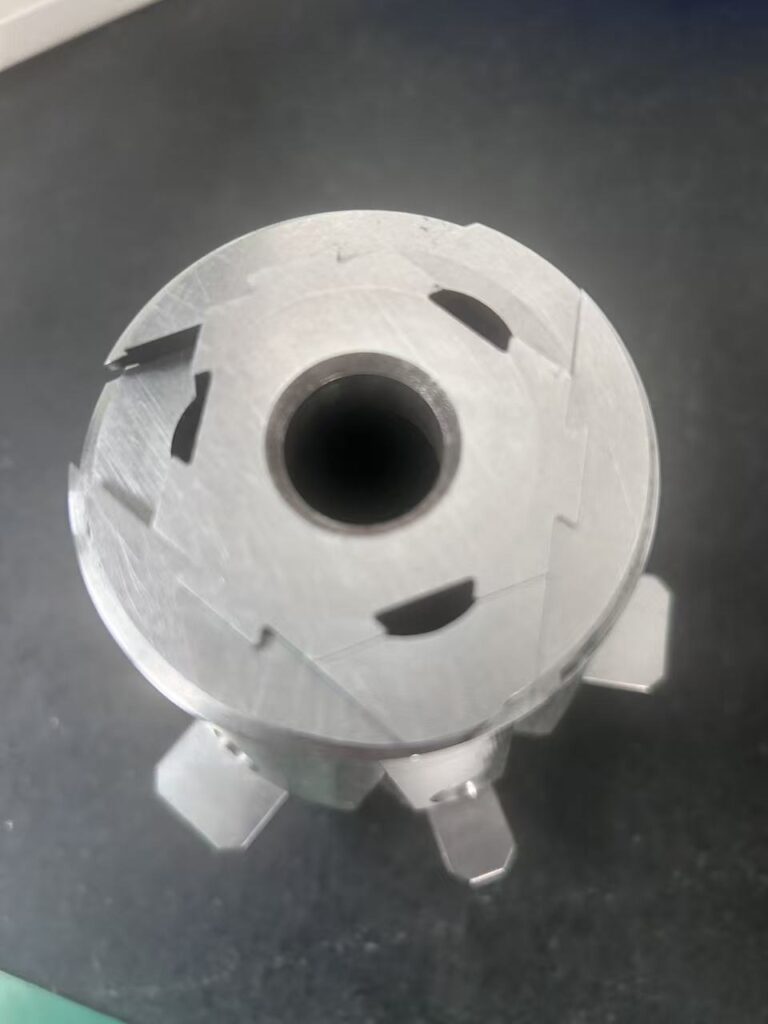
Injection mold components form the structural and functional core of every plastic molding operation, determining how efficiently, consistently, and precisely a molded part can be produced. Whether manufacturing automotive connectors, consumer electronics, or medical housings, the quality of injection mold components directly influences part accuracy, cycle time, durability, and total production cost. Competitive analysis from […]
Automotive Plastic Parts: Why Injection Molding Is Preferred?
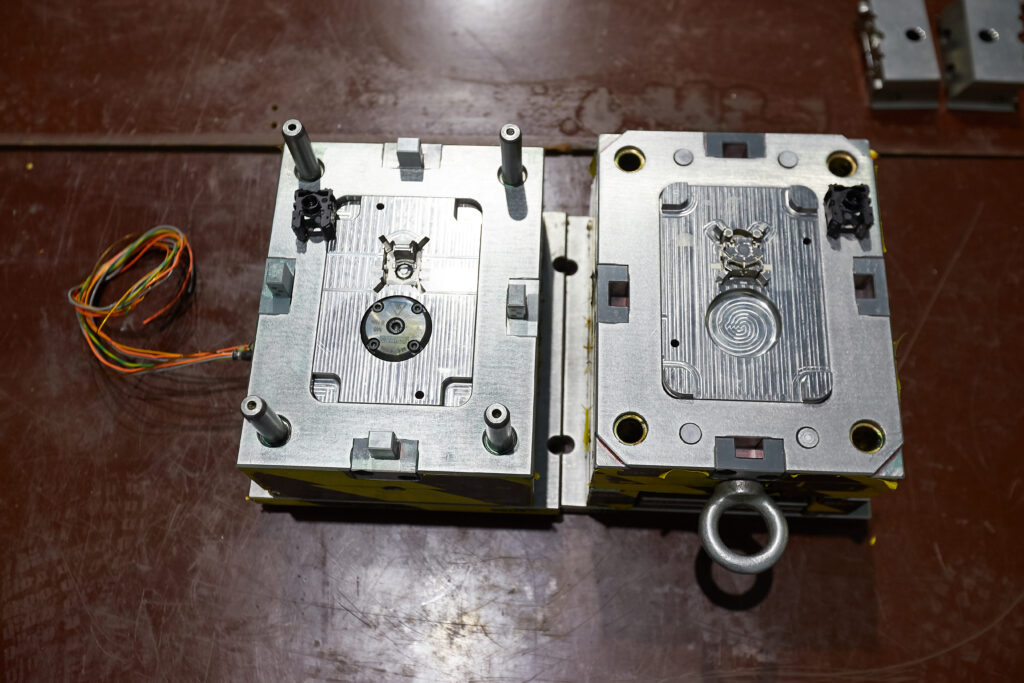
The modern automotive industry is moving toward lighter vehicles, faster production cycles, and higher design complexity, all while maintaining durability, safety, and cost efficiency. This is why automotive plastic injection molding has become the preferred manufacturing method for producing dashboards, trim parts, sensor housings, fluid reservoirs, under-the-hood components, and countless interior and exterior assemblies. Engineers […]
Nylon Injection Molding: Strengths, Limits, and Uses
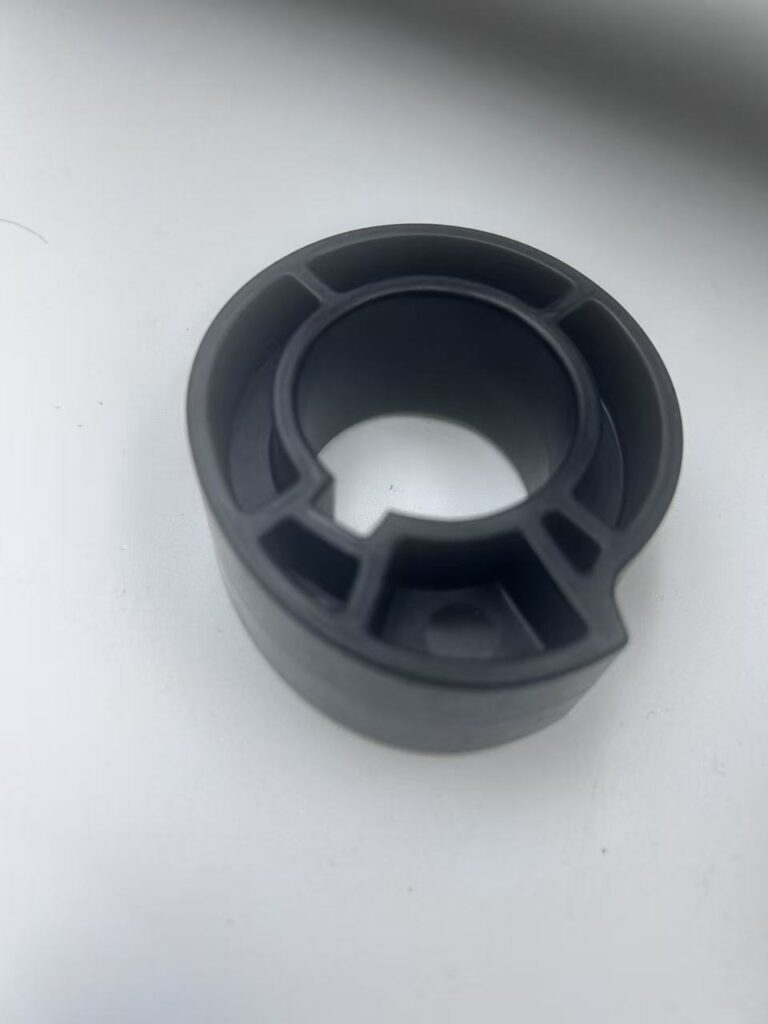
Nylon has earned its place as one of the most widely used engineering plastics in modern manufacturing, especially in sectors that require strength, durability, heat resistance, and mechanical reliability. Its unique balance of toughness, flexibility, and chemical resilience makes it particularly valuable in high-performance applications. This is why nylon injection molding has become essential for […]
How Injection Molding Powers the Medical Device Industry?
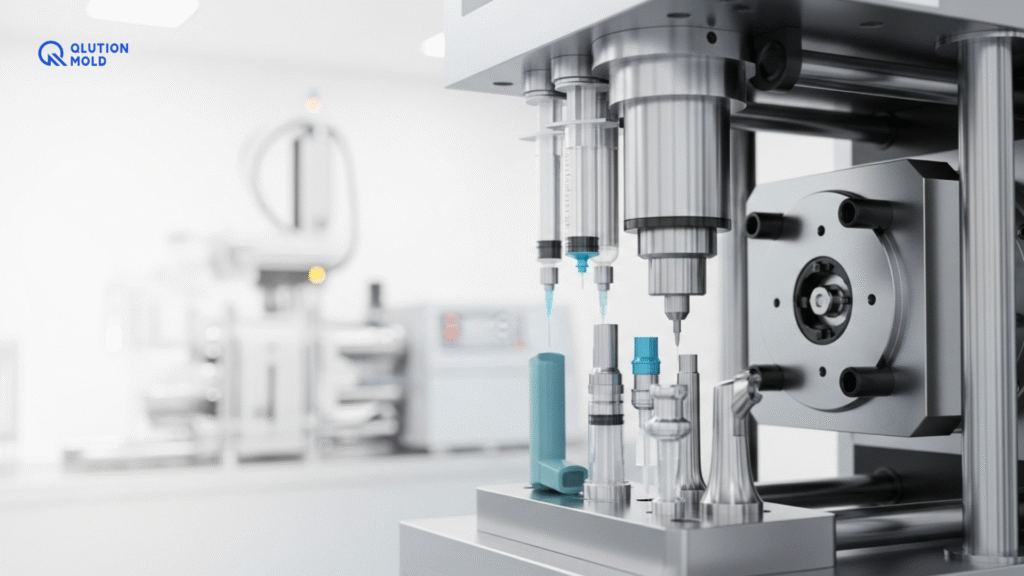
The medical device industry demands precision, biocompatibility, safety, and absolute consistency. Every component, from syringes and diagnostic cartridges to inhaler housings and surgical tools, must meet strict performance and sterility standards. This is why medical device injection molding has become one of the most important manufacturing technologies in healthcare. Injection molding ensures high accuracy, repeatable […]
ABS Plastic Injection Molding: Properties & Applications in Injection Molding
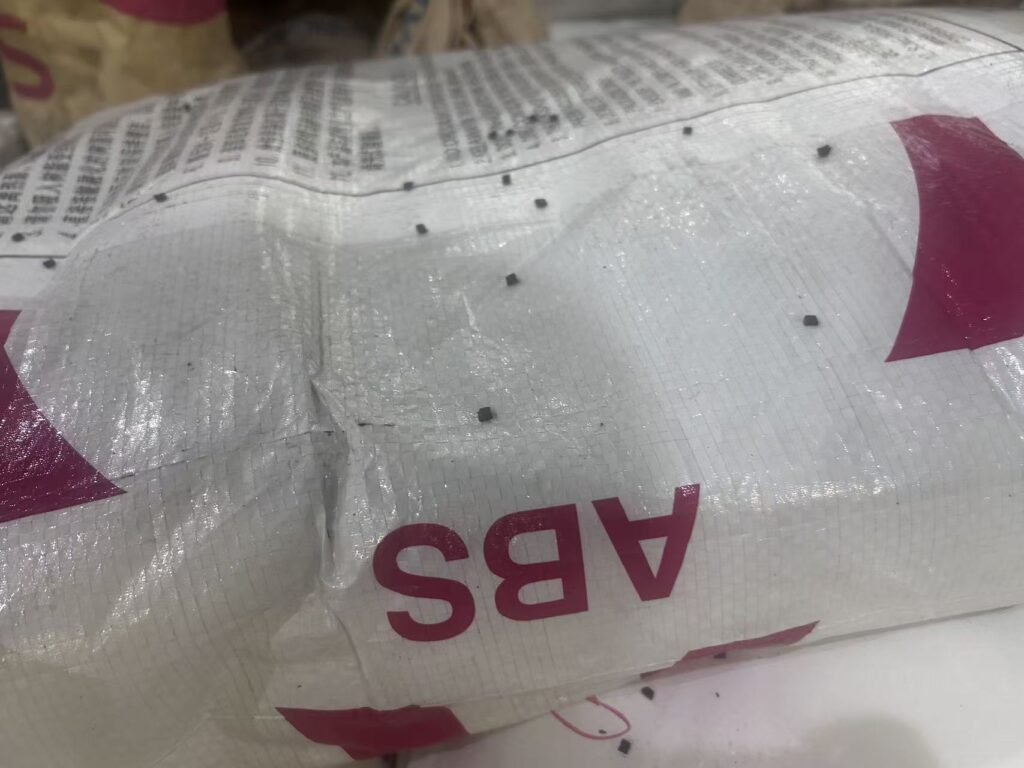
Acrylonitrile Butadiene Styrene, known globally as ABS, is one of the most widely used engineering plastics in injection molding because it combines strength, toughness, dimensional stability, and cost-efficiency in a single material. Industries that require durable, cosmetically appealing, and easily moldable components rely heavily on ABS plastic injection molding, especially automotive, electronics, consumer goods, industrial […]
Injection Mold Cost Breakdown: What Affects Pricing?
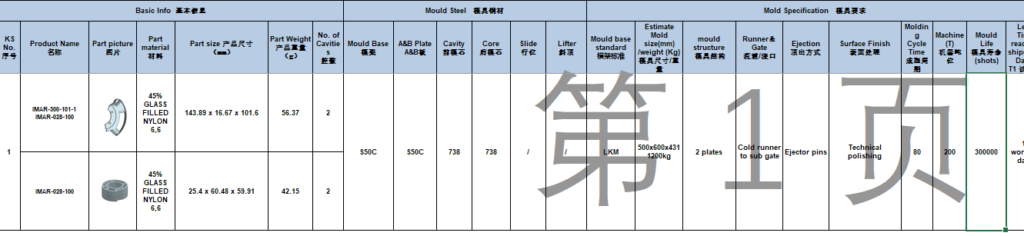
Understanding injection mold cost is essential for manufacturers, engineers, procurement teams, and product designers planning to bring a plastic part into mass production. While injection molding is one of the most efficient and scalable manufacturing methods, the upfront tooling investment varies widely depending on design, materials, complexity, precision, and production goals. A simple prototype mold […]
Medical Grade Plastics Injection Molding: Choosing the Right Material for Healthcare
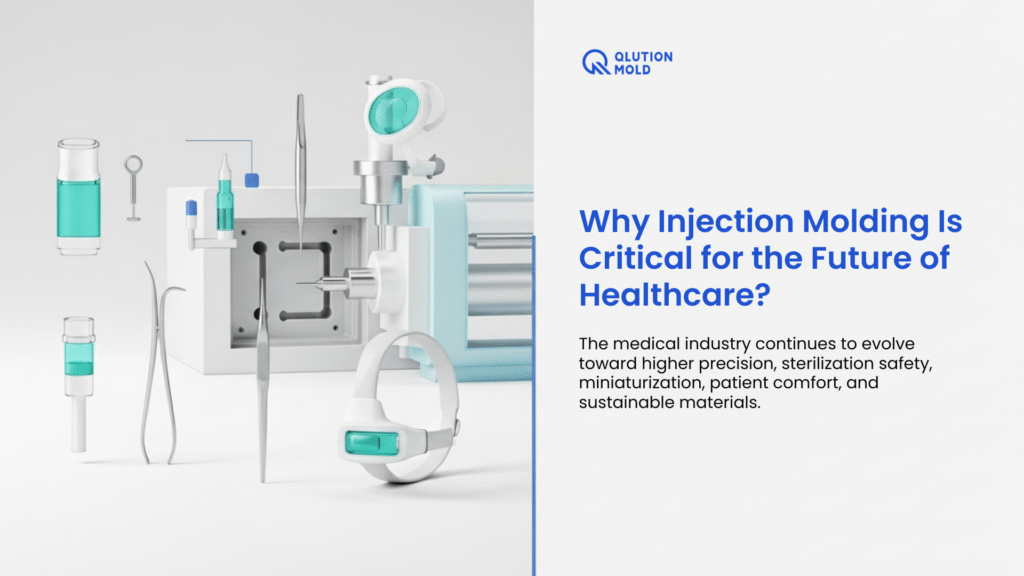
Selecting the right materials is one of the most important decisions in medical grade plastics injection molding, especially as healthcare demands higher safety, precision, sterilization resistance, and regulatory compliance. Medical devices rely on specialized polymers that offer biocompatibility, traceability, durability, and compatibility with cleanroom manufacturing. Whether it’s a single-use syringe, a surgical tool handle, or […]
Injection Molding vs 3D Printing: Which Is Better for Production?
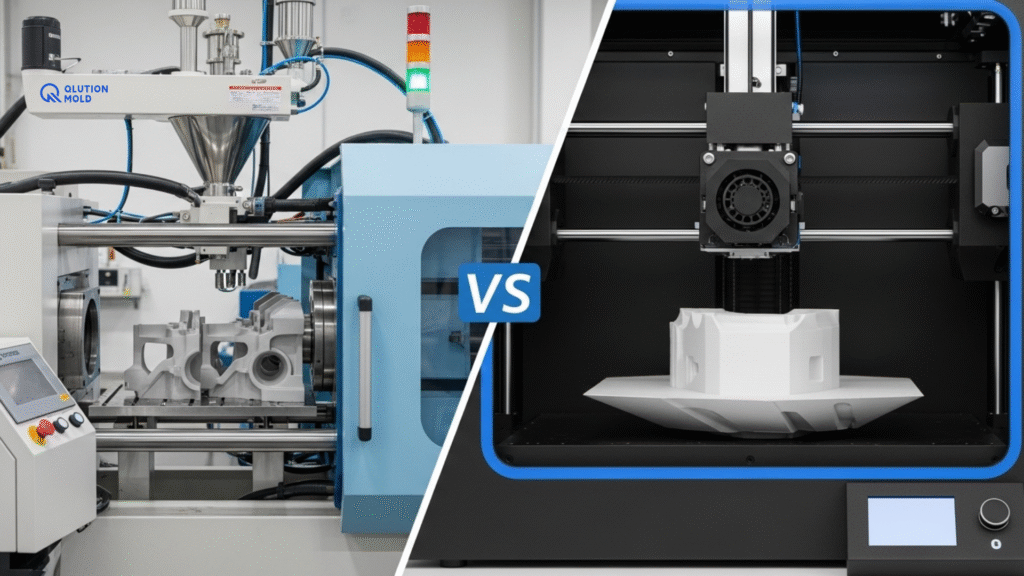
As product development evolves, companies face a recurring question: Injection molding vs 3D printing, which is better for production? Although both technologies create plastic parts, their strengths, workflows, and cost structures are completely different. Injection molding dominates high-volume manufacturing, while 3D printing excels in rapid prototyping, design freedom, and low-volume customization. Understanding the differences in […]
Polycarbonate vs Acrylic: Which Plastic Should You Choose?
Choosing between polycarbonate and acrylic is one of the most common decisions in product design, fabrication, and plastics manufacturing. Both materials look similar at first glance; they are clear, strong, and excellent substitutes for glass, but their performance under real-world conditions is very different. When engineers, manufacturers, and designers evaluate polycarbonate vs acrylic, they compare […]