Choosing between polycarbonate and acrylic is one of the most common decisions in product design, fabrication, and plastics manufacturing. Both materials look similar at first glance; they are clear, strong, and excellent substitutes for glass, but their performance under real-world conditions is very different. When engineers, manufacturers, and designers evaluate polycarbonate vs acrylic, they compare optical clarity, impact strength, UV resistance, scratch performance, machining behavior, and long-term durability. Each material has its own strengths, weaknesses, and ideal applications.
This guide breaks down everything you need to know to choose the right lightweight plastic material for your next project, from optical clarity comparison to cost difference polycarbonate vs acrylic, and from machining behavior to environmental performance.
What Are Polycarbonate and Acrylic?
Polycarbonate and acrylic are both transparent thermoplastics widely used as glass alternatives. They are much lighter than glass, easier to fabricate, and far more impact resistant. These qualities make them highly attractive for manufacturing and custom production where clarity, durability, and ease of shaping are essential. However, the chemistry behind these plastics gives them distinctly different physical behaviors.
Polycarbonate is an amorphous thermoplastic known primarily for its incredible strength and durability. It is extremely tough, flexible under stress, and capable of withstanding high temperatures without warping, which makes it well-suited for demanding manufacturing environments. Acrylic, on the other hand, is a rigid and highly transparent thermoplastic prized for its crystal-clear appearance, stable color, and better natural scratch resistance qualities often preferred in custom production where visual precision is important. Because both materials support clean molding, precision cutting, extended outdoor use, and excellent transparency in molded parts, they remain two of the most commonly used plastics in construction, retail, automotive, safety, signage, and architectural applications
Optical Clarity Comparison: Which Is More Transparent?
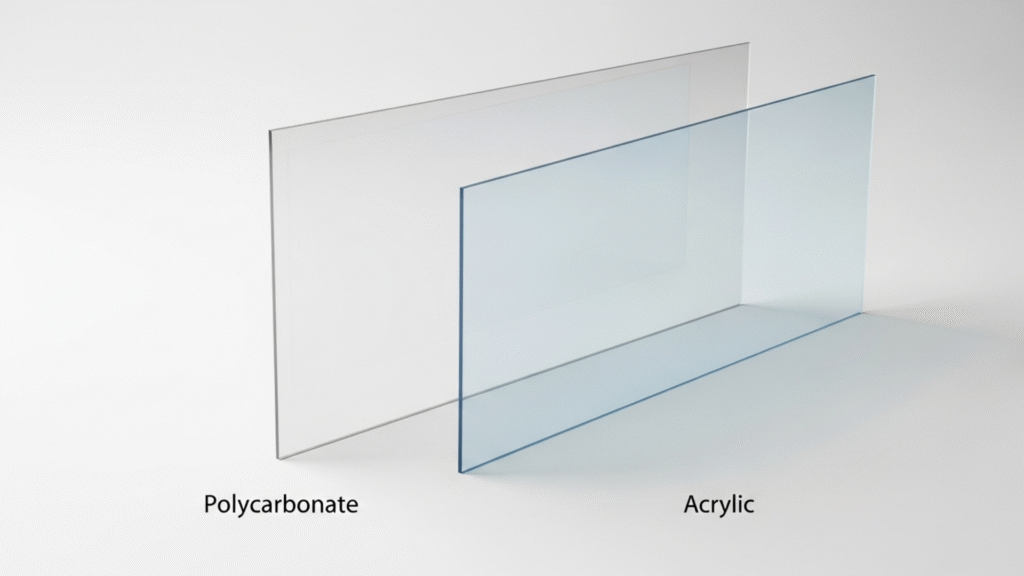
When comparing polycarbonate vs acrylic, optical clarity is one of the most common deciding factors. Acrylic provides the highest clarity of any commercially used thermoplastic, it transmits up to 92% of visible light, which is even higher than standard glass. This makes acrylic ideal for display cases, signage, aquariums, retail windows, and decorative lighting.
Polycarbonate still offers excellent clarity, typically around 88–90% light transmission, but it appears slightly less optically pure. The difference is subtle, yet noticeable in applications requiring perfect optical performance. For molded parts where transparency in molded parts must remain consistent, acrylic is the clearer choice. If maximum clarity is the priority, acrylic wins. If clarity plus extreme strength is required, polycarbonate takes the lead.
Impact Resistance Difference: Which Is Stronger?
The biggest performance gap between polycarbonate vs acrylic comes from their impact strength. Polycarbonate is one of the strongest transparent plastics in the world, over 250 times stronger than glass and around 30 times stronger than acrylic. It bends rather than cracks, making it ideal for safety-critical uses. Polycarbonate is commonly used in:
- safety glazing
- machine guards
- riot shields
- helmet visors
- protective panels
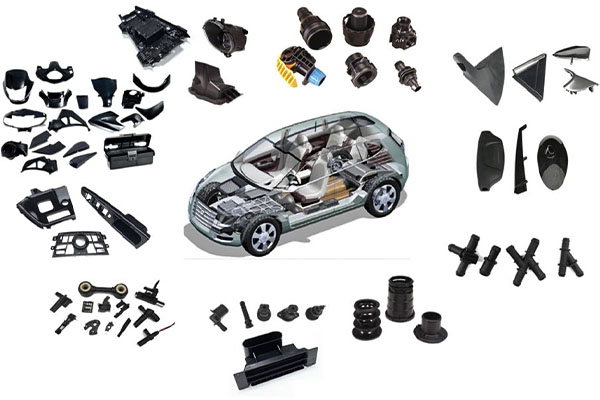
- automotive components
Acrylic offers good strength, around 10x stronger than glass, but it is more brittle. Under sudden force, acrylic tends to crack or shatter, whereas polycarbonate deforms and absorbs energy. For any high-impact environment, polycarbonate is the superior material.
UV Resistance and Weatherability: Outdoor Performance
Acrylic naturally resists UV degradation, making it an excellent choice for long-term outdoor use. It maintains its clarity and color even after years of sun exposure, which is why it is ideal for outdoor signage, skylights, aquariums, and architectural glazing.
Polycarbonate, by default, is more vulnerable to UV damage. Without a UV-protective layer, it may yellow or haze over time. However, UV-coated polycarbonate performs exceptionally well outdoors and is widely used in greenhouses, roofing, and protective barriers. In terms of pure UV resistance and weatherability, acrylic takes the lead, but UV-coated polycarbonate is a strong contender when strength is also required.
Machining and Moldability:
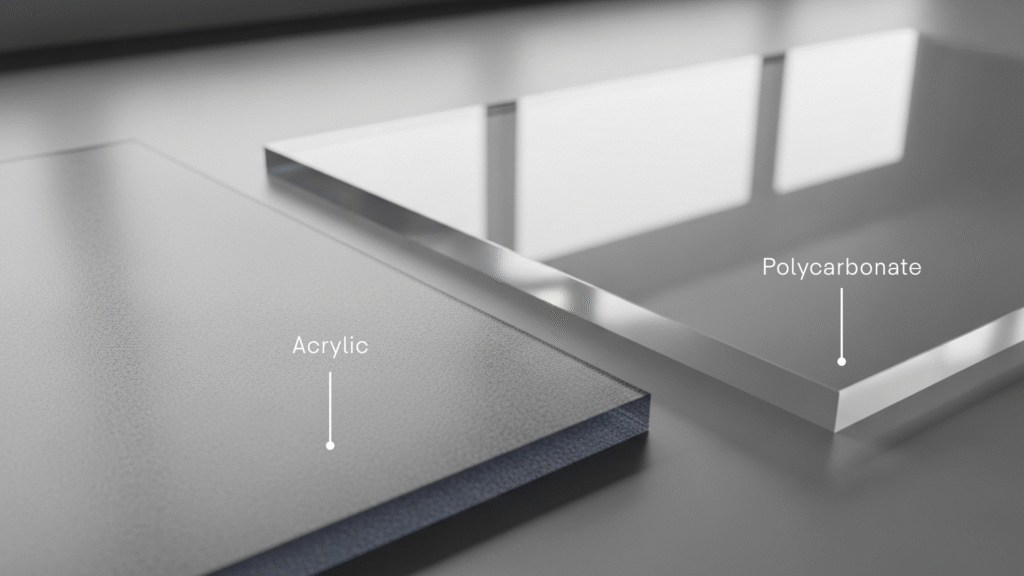
Both plastics are easy to fabricate, but they behave differently under stress and heat. Acrylic machines beautifully; it laser-cuts cleanly, polishes to a glass-like finish, and offers excellent edge clarity. However, acrylic can crack during drilling or machining if not handled properly.
Polycarbonate is easier to drill, cold-form, and bend without breaking. It thermoforms well and handles tight bends better. However, its softer surface makes machining marks more visible, and it doesn’t polish as cleanly as acrylic. In short:
- Acrylic gives better polished edges and visual finishes.
- Polycarbonate tolerates drilling, bending, and forming without cracking.
For complex formed parts, polycarbonate is preferable. For aesthetic displays, acrylic is the better choice.
Scratch Resistance Test: Which Material Stays Clearer?
Scratch resistance is a crucial factor in high-traffic or high-touch environments. Acrylic is naturally harder and more scratch-resistant than polycarbonate. This makes acrylic ideal for windows, displays, and applications where surface clarity must remain pristine.
Polycarbonate is softer and scratches more easily unless coated with a hard-surface layer. Many modern polycarbonate sheets come with such coatings, significantly improving durability and making them suitable for eyewear, automotive lenses, and high-performance glazing. If scratch resistance matters, acrylic wins, unless polycarbonate includes a protective coating.
Temperature Tolerance Range: Heat Performance
Polycarbonate has superior thermal resistance, with a temperature tolerance range of up to 240°F (115°C) and excellent heat deflection. This makes polycarbonate the preferred choice for industrial guards, lighting enclosures, and components exposed to high temperatures.
Acrylic’s melting point is lower, and it becomes soft at around 175°F (80°C). It should not be used in environments involving sustained heat. If heat resistance is critical, polycarbonate is the clear winner.
Cost Difference: Polycarbonate vs Acrylic
Cost plays a major role in material selection. Acrylic is significantly more affordable, generally 30–40% cheaper than polycarbonate. For large-scale signage, displays, retail fixtures, or architectural panels, acrylic delivers high value at a lower price.
Polycarbonate costs more because of its durability, toughness, and heat resistance. For safety or industrial applications, the extra cost is justified. When price is the main concern without extreme strength requirements, acrylic is the better choice.
Common Applications of Each Plastic
Where Polycarbonate Is Used:
Polycarbonate is found in environments requiring strength, durability, and heat resistance. Typical applications include:
- machine guards
- safety shields
- riot gear
- automotive interior trims
- skylight panels
- medical device housings
- aerospace components
- helmet visors
Its flexibility and impact resistance make it suitable for harsh, demanding conditions.
Where Acrylic Is Used:
Acrylic shines in visually oriented, low-impact applications. Common uses include:
- display cases
- product showcases
- LED lighting diffusers
- retail fixtures
- aquariums
- picture frames
- indoor and outdoor signage
Acrylic’s high clarity and superior surface finish make it the preferred aesthetic material.
Lightweight Plastic Materials:
Both polycarbonate and acrylic weigh about half as much as glass, making them ideal for aerospace, automotive, retail, and architectural uses. Their lightweight nature improves handling, reduces transportation costs, and opens new design possibilities that glass cannot achieve safely.
While the weight difference between polycarbonate and acrylic is minimal, their strength-to-weight ratios differ dramatically, with polycarbonate providing unmatched impact performance.
Conclusion:
The question of polycarbonate vs acrylic doesn’t have a one-size-fits-all answer; your choice depends on the performance requirements of your project. Acrylic offers unbeatable clarity, better scratch resistance, excellent weatherability, and lower cost. Polycarbonate offers superior strength, temperature resistance, toughness, and fabrication flexibility.
If your priority is optical beauty and affordability, choose acrylic. If you need durability, impact resistance, and heat performance, choose polycarbonate. Both materials are excellent lightweight plastic materials, and the best choice depends entirely on your application environment, mechanical demands, and long-term performance expectations.