The healthcare industry depends on accuracy, reliability, and safety. Every medical device, from diagnostic tools to surgical equipment, must meet strict quality standards. This is where medical injection molding plays a critical role. The process enables manufacturers to produce complex medical components with exceptional consistency and precision.
As healthcare technology continues to evolve, demand for high-quality plastic medical parts is growing rapidly. Manufacturers need production methods that can deliver large volumes while maintaining tight tolerances and regulatory compliance. Qlution Mold supports this need by providing advanced molding solutions tailored to the medical sector.
In this article, we will explore the importance of medical injection molding, its benefits, applications, materials, and why it remains one of the most trusted manufacturing methods in healthcare.
What Is Medical Injection Molding?
Understanding the Process
Medical injection molding is a manufacturing process used to create plastic medical components by injecting molten plastic into a precisely engineered mold cavity. Once the material cools and solidifies, the finished part is ejected from the mold.
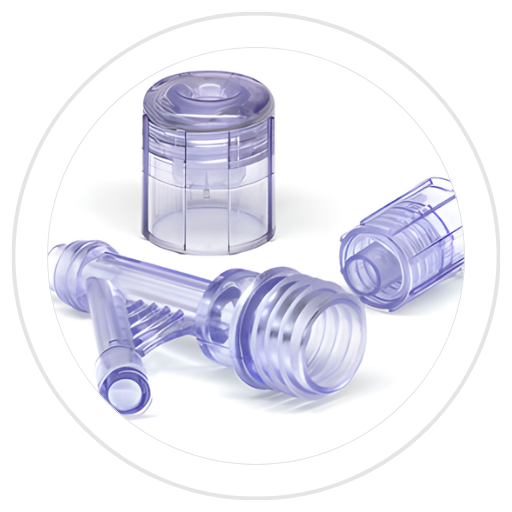
The process is ideal for producing:
- Medical device housings
- Syringes
- Surgical instrument handles
- Diagnostic equipment components
- Drug delivery systems
- Laboratory consumables
Because healthcare products require high precision, specialized equipment and strict quality controls are essential throughout production.
Why Precision Matters in Healthcare
Unlike many consumer products, medical components often perform critical functions that affect patient safety. Even minor variations can impact performance.
Medical manufacturers require:
- Tight dimensional tolerances
- Consistent part quality
- Biocompatible materials
- Traceable production processes
- Regulatory compliance
This level of precision makes injection molding a preferred solution for medical applications.
Key Benefits of Medical Injection Molding
High Accuracy and Consistency
One of the biggest advantages of medical injection molding is its ability to produce identical parts repeatedly.
Benefits include:
- Minimal dimensional variation
- Excellent repeatability
- Reliable product performance
- Reduced quality issues
Consistency is especially important for devices used in diagnostics, treatment, and patient monitoring.
Cost-Effective Mass Production
Once a mold is developed, manufacturers can produce thousands or even millions of parts efficiently.
Advantages include:
- Lower cost per unit
- Faster production cycles
- Reduced labor requirements
- Minimal material waste
As a result, healthcare companies can scale production without sacrificing quality.
Design Flexibility
Injection molding allows engineers to create highly complex shapes that would be difficult or expensive using other manufacturing methods.
Features may include:
- Thin walls
- Internal channels
- Snap-fit assemblies
- Ergonomic designs
- Micro-scale features
This flexibility supports innovation in medical device development.
Improved Product Safety
Medical-grade materials and controlled manufacturing environments help ensure product safety.
Manufacturers can achieve:
- Sterilization compatibility
- Chemical resistance
- Biocompatibility
- Structural reliability
These characteristics are essential for medical devices used in clinical environments.
Common Applications of Medical Injection Molding
Disposable Medical Devices
Single-use medical products help reduce contamination risks and improve patient safety.
Examples include:
- Syringes
- Catheters
- Collection tubes
- IV components
- Pipettes
Injection molding enables economical production of these high-volume products.
Surgical Equipment Components
Many surgical tools contain molded plastic parts that provide durability and ease of handling.
Applications include:
- Instrument handles
- Protective covers
- Positioning guides
- Device housings
Precision manufacturing ensures dependable performance during medical procedures.
Diagnostic Equipment
Diagnostic systems require highly accurate components to maintain reliable results.
Common molded parts include:
- Test cartridge housings
- Sensor covers
- Sample collection components
- Instrument enclosures
Quality consistency is crucial for maintaining diagnostic accuracy.
Drug Delivery Systems
Modern drug delivery devices often contain multiple molded components.
Examples include:
- Inhalers
- Insulin pens
- Auto-injectors
- Medication dispensers
These products require precise assembly and dependable functionality.
Materials Used in Medical Injection Molding
Medical-Grade Polypropylene (PP)
Polypropylene is widely used because it offers:
- Excellent chemical resistance
- Good sterilization performance
- Lightweight properties
- Cost efficiency
It is commonly found in syringes and laboratory products.
Polycarbonate (PC)
Polycarbonate provides:
- High impact strength
- Transparency
- Dimensional stability
This material is often used in diagnostic devices and equipment housings.
Polyethylene (PE)
Polyethylene offers:
- Flexibility
- Moisture resistance
- Chemical durability
It is frequently used in tubing and disposable products.
PEEK
PEEK is a high-performance engineering plastic known for:
- Exceptional strength
- Heat resistance
- Biocompatibility
The material is commonly selected for demanding medical applications.
ABS
ABS combines durability and affordability.
Advantages include:
- Good mechanical properties
- Easy processing
- Attractive surface finish
It is often used for medical device enclosures and equipment casings.
Quality Standards in Medical Manufacturing
Regulatory Compliance
Medical products must meet strict industry regulations.
Depending on the market, manufacturers may follow:
- ISO 13485 standards
- FDA requirements
- European MDR regulations
- GMP guidelines
Compliance helps ensure product safety and performance.
Cleanroom Manufacturing
Many medical components are produced in controlled cleanroom environments.
Benefits include:
- Reduced contamination
- Improved product cleanliness
- Better process control
- Enhanced patient safety
Cleanroom production is especially important for devices that contact the human body.
Validation and Testing
Before production begins, manufacturers conduct extensive testing.
Typical validation activities include:
- Mold qualification
- Process validation
- Material verification
- Functional testing
These measures help maintain consistent quality throughout production.
Challenges in Medical Injection Molding
Material Selection
Choosing the right material is critical. Engineers must consider:
- Biocompatibility
- Sterilization requirements
- Mechanical performance
- Chemical exposure
An incorrect material choice can impact product safety and longevity.
Complex Tooling Requirements
Medical parts often require sophisticated mold designs.
Challenges may include:
- Micro-features
- Tight tolerances
- Multi-cavity molds
- Complex geometries
Experienced tooling specialists are essential for successful project execution.
Maintaining Consistency
Medical manufacturers must ensure every batch meets the same quality standards.
This requires:
- Process monitoring
- Advanced quality control systems
- Skilled engineering teams
- Detailed documentation
Maintaining consistency helps reduce risks and supports regulatory compliance.
How Qlution Mold Supports Medical Injection Molding Projects
Advanced Engineering Expertise
Qlution Mold understands the unique demands of medical manufacturing. The company focuses on precision tooling and production processes that support high-quality medical components.
Its engineering team works closely with clients to optimize:
- Product design
- Mold development
- Material selection
- Production efficiency
Precision Manufacturing Capabilities
Modern manufacturing technologies allow Qlution Mold to produce components with exceptional accuracy.
Capabilities include:
- High-precision mold making
- Complex part production
- Tight tolerance control
- Scalable manufacturing solutions
These capabilities help healthcare manufacturers achieve reliable results.
Commitment to Quality
Quality remains a priority throughout every stage of production.
From design review to final inspection, Qlution Mold follows rigorous procedures to ensure components meet customer expectations and industry requirements.
Future Trends in Medical Injection Molding
Growing Demand for Miniaturization
Medical devices are becoming smaller and more sophisticated.
As a result, manufacturers increasingly require:
- Micro-molding capabilities
- Precision tooling
- Advanced materials
Miniaturized components help improve patient comfort and device functionality.
Increased Use of Smart Medical Devices
Connected healthcare solutions continue to expand.
Examples include:
- Wearable monitors
- Remote diagnostic tools
- Smart drug delivery systems
These innovations create new opportunities for advanced molding technologies.
Sustainable Manufacturing
Environmental responsibility is becoming a greater priority.
Manufacturers are exploring:
- Recyclable materials
- Energy-efficient production
- Waste reduction strategies
Sustainability initiatives help improve both environmental and operational performance.
Conclusion
The healthcare industry relies on precision, consistency, and safety. Medical injection molding provides an efficient way to manufacture high-quality medical components while meeting strict industry standards. From disposable products and diagnostic devices to advanced drug delivery systems, the process supports a wide range of critical healthcare applications. With growing demand for innovation, manufacturers need experienced partners capable of delivering reliable solutions. Qlution Mold combines engineering expertise, precision tooling, and quality-focused production to support medical manufacturing projects of all sizes. If you are looking for dependable molding solutions for healthcare applications, Qlution Mold can help bring your next project from concept to production with confidence.