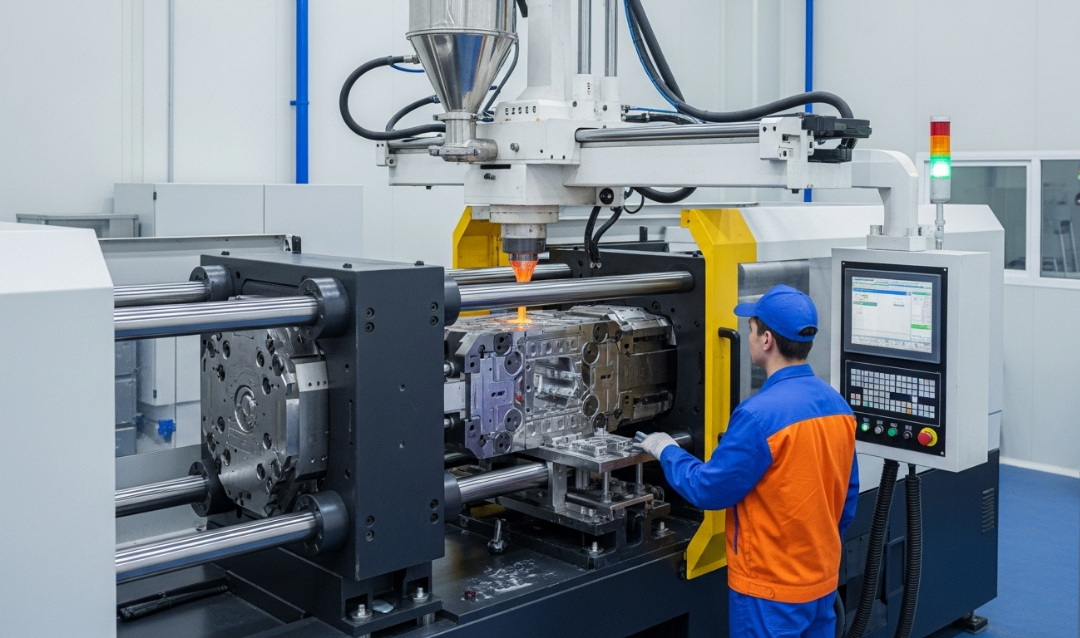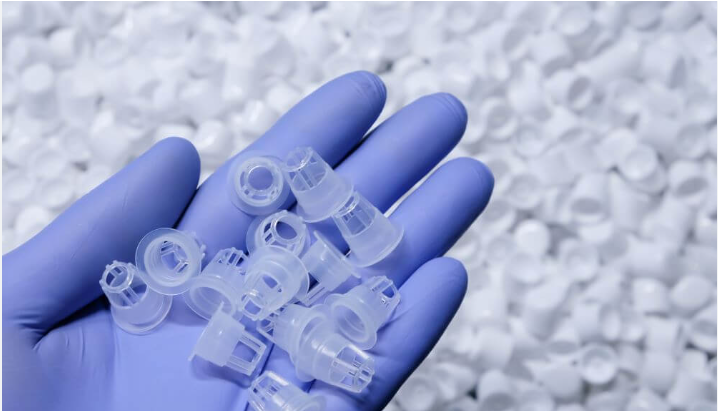
Nylon has earned its place as one of the most widely used engineering plastics in modern manufacturing, especially in sectors that require strength, durability, heat resistance, and mechanical reliability. Its unique balance of toughness, flexibility, and chemical resilience makes it particularly valuable in high-performance applications. This is why nylon injection molding has become essential for industries such as automotive, consumer electronics, industrial machinery, power tools, and medical devices.
As manufacturers continue shifting toward lightweight, high-strength, cost-efficient polymer solutions, nylon stands out as a material that consistently delivers strong mechanical performance without compromising design freedom. Understanding nylon’s properties, behavior during molding, and its strengths and limitations allows engineers to make informed decisions that improve product durability, manufacturing efficiency, and long-term functionality.
Nylon 6 vs Nylon 66
Two of the most widely used grades in nylon injection molding are Nylon 6 (PA6) and Nylon 66 (PA66). Although they belong to the same polyamide family, their structural differences significantly affect performance. Nylon 6 generally absorbs moisture faster, has slightly better impact resistance, and offers easier moldability because of its lower melting temperature. Nylon 66 has higher crystallinity, improved stiffness, and superior heat resistance, making it more suitable for high-temperature and high-stress environments.
These nylon 6 vs nylon 66 properties are critical when choosing materials for automotive gears, electrical enclosures, under-the-hood housings, structural brackets, or mechanical components. Nylon 66’s higher melting point and rigidity make it ideal for harsh industrial environments, while Nylon 6 offers excellent processability and balanced mechanical performance. Selecting the right grade impacts shrinkage, warpage, toughness, and overall stability of the finished part.
Mechanical Strength, Durability & Tensile Performance
One of nylon’s greatest advantages is its exceptional strength-to-weight ratio. When evaluating tensile strength and durability, nylon consistently outperforms many other thermoplastics. It delivers strong mechanical resistance, excellent fatigue performance under repeated loads, and high impact resistance even at thinner wall sections, making it especially valuable in modern manufacturing environments.
These characteristics make nylon ideal for gears, fasteners, mechanical housings, bearings, brackets, and load-bearing industrial parts. Furthermore, additives and reinforcement options such as glass fiber significantly enhance performance, pushing nylon into the realm of high-strength engineering materials used across various manufacturing sectors. This combination of toughness and flexibility allows nylon parts to withstand harsh physical stresses without cracking or deforming, supporting long-term reliability in demanding applications.
Moisture Absorption Issues & Dimensional Stability
While nylon injection molding offers outstanding mechanical performance, its biggest drawback is moisture absorption. The polymer structure naturally attracts water molecules, which can alter dimensions, reduce stiffness, and affect long-term stability. These moisture absorption issues are well-known and must be managed during design and processing. Nylon may absorb several percent of its weight in water over time, increasing flexibility but reducing stiffness and dimensional accuracy.
This characteristic is critical for precision parts such as gears and bushings, where tight tolerances matter. Engineers often implement conditioning processes, specify nylon grades with reduced moisture uptake, or use glass-filled formulations to improve dimensional stability. Understanding nylon’s hygroscopic nature helps manufacturers predict part behavior over its lifetime and reduce unexpected warpage, swelling, or mechanical property shifts.

Nylon Material Drying Process Before Molding
Proper drying is essential for successful nylon injection molding because moisture can degrade the polymer during processing. The nylon material drying process typically requires 4–6 hours at temperatures between 80°C and 90°C, depending on the grade. If nylon is not dried correctly, hydrolysis can occur during melting, reducing molecular weight and weakening mechanical strength. Moisture also causes splay marks, bubbles, and surface defects.
A well-controlled drying process ensures proper melt viscosity, stable flow, and consistent part quality. For manufacturers producing precision components, strict drying protocols are non-negotiable for maintaining material integrity and minimizing cosmetic and structural defects.
Melting Temperature of Nylon & Processing Considerations
The melting temperature of nylon ranges from approximately 215°C for Nylon 6 to about 265°C for Nylon 66. Because nylon relies on high processing temperatures, mold temperature control becomes crucial for ensuring proper crystallization and surface finish. High mold temperatures improve flow, reduce internal stress, and enhance surface polishability, especially for cosmetic parts.
During the injection stage, higher temperatures also support consistent filling of thin-walled geometries. Precise control of melt temperature, injection pressure, and hold pressure prevents burning, voids, warpage, and incomplete fill issues. Nylon requires careful balancing of thermal and flow behavior to achieve high-quality molded parts.
Shrinkage Control in Nylon Molding
Nylon injection molding naturally exhibits higher shrinkage due to its semi-crystalline molecular structure. Effective shrinkage control in nylon molding requires optimizing mold design, gate placement, cooling rates, and reinforcement options. Nylon 66 typically shrinks more than Nylon 6 because of its higher crystallinity.
Uneven cooling can cause warpage, dimensional variation, and internal stress. Designers frequently implement uniform wall thickness, proper rib structure, and controlled cooling channels to minimize variations. Using glass-filled grades significantly reduces shrinkage and improves dimensional stability, making reinforced nylons ideal for precision components that must maintain tight tolerances across large production runs.
Glass-Filled Nylon Applications & Advantages
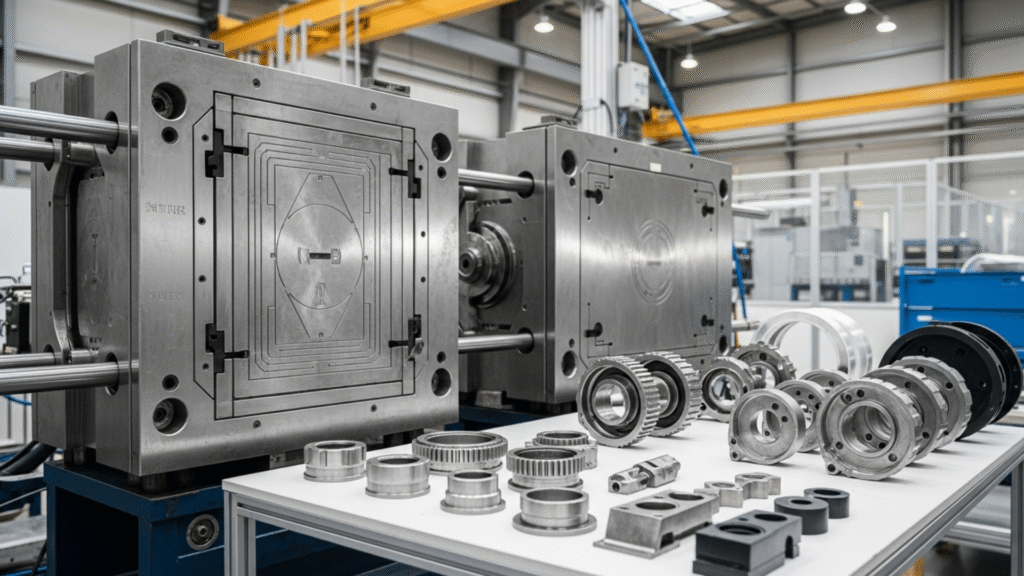
Glass-filled nylon injection molding applications expand nylon’s capabilities for more demanding engineering environments. Adding 15–50% glass fiber increases stiffness, tensile strength, heat resistance, and dimensional stability. It allows nylon to perform reliably in automotive components, mechanical housings, structural brackets, high-strength gears, and industrial equipment.
Glass-filled grades resist creep under load, maintain rigidity at elevated temperatures, and offer enhanced wear resistance. They are widely used in under-the-hood automotive parts, power tool casings, mechanical connectors, pump components, and aerospace clips. While glass-filled nylon improves strength, it also reduces surface finish smoothness and increases tool wear. Still, for applications requiring durability and rigidity, glass-filled nylon remains one of the most trusted engineering materials.
Chemical Resistance of Nylon Parts
The chemical resistance of nylon parts is one of the primary reasons nylon is preferred for industrial and automotive applications. Nylon resists oils, greases, fuels, cleaning agents, and many solvents. This makes it ideal for fuel system components, fluid connectors, electrical housings, and under-the-hood automotive parts exposed to oil and heat. While nylon shows excellent resistance to hydrocarbons and lubricants, it is less resistant to strong acids and bases. Understanding chemical exposure environments helps engineers select the correct grade and reinforcement to ensure long-term performance and part longevity.
Surface Finish, Texture & Polishability
The surface finish and polishability of nylon injection molding depend heavily on mold temperature, grade selection, and whether the nylon is filled or unfilled. Unfilled nylon can achieve smooth, glossy finishes when processed correctly. Higher mold temperatures improve surface replication and reduce cosmetic defects.
Glass-filled nylon, however, produces a rougher surface due to exposed fibers. In applications where appearance matters, mold texturing, higher-grade resins, or post-process finishing techniques may be required. Proper gate design, venting, and tool maintenance also improve overall cosmetic quality and reduce blemishes.
Lubrication, Mold Release & Tool Longevity
Because nylon flows at high temperatures and may adhere to steel surfaces, lubrication and mold release techniques are often essential. Mold release agents, polished cavities, and appropriate draft angles reduce sticking during ejection.
Reinforced nylons like glass-filled grades increase tool wear, making hardened steel or coated tooling essential for long production runs. Proper lubrication also protects the mold from fiber abrasion, improving tool life and ensuring consistent part quality. Selecting the right tooling materials is a critical strategic decision in nylon molding projects.
Applications Across Industries
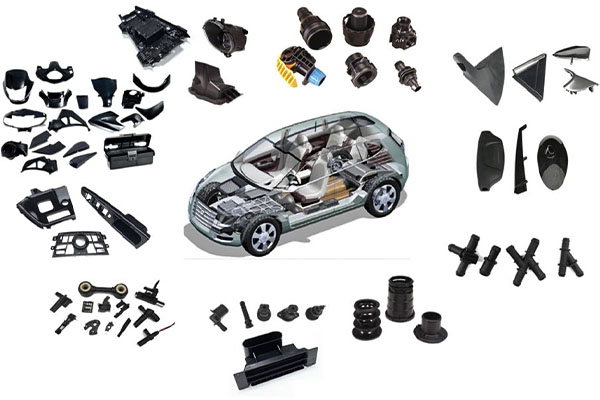
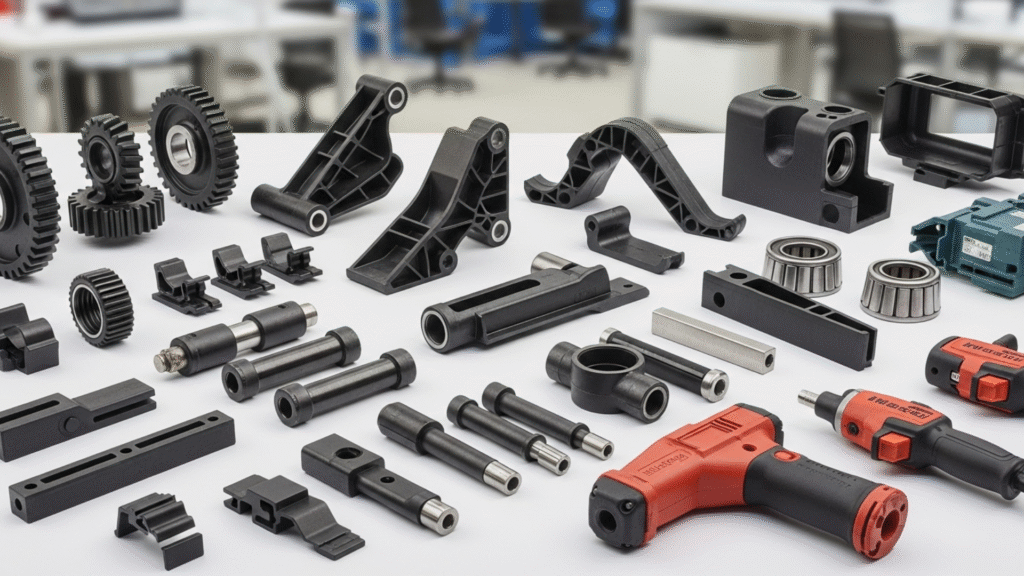
Nylon’s versatility makes it suitable for a wide range of end-use applications. In the automotive sector, it is used for gears, housings, brackets, clips, connectors, and under-the-hood components that require heat resistance and mechanical strength. Consumer electronics use nylon for strong, lightweight housings and precision mechanical components.
Industrial machinery relies on nylon for wear-resistant bushings, bearings, and structural parts. Power tools benefit from nylon’s impact resistance and fatigue strength. Aerospace applications use nylon for lightweight, durable assemblies. From household appliances to commercial equipment, nylon consistently delivers the performance, reliability, and manufacturability required across industries.
Conclusion:
Nylon continues to be one of the most valuable engineering polymers in modern manufacturing. Its exceptional balance of tensile strength, durability, thermal stability, chemical resistance, and design flexibility ensures that nylon injection molding remains a preferred process for producing high-performance parts. Although nylon presents challenges such as moisture absorption, shrinkage, and high processing temperatures, its advantages far outweigh its limitations, especially when combined with proper material drying, precise mold design, and optimized processing conditions.
Whether selecting between nylon 6 vs nylon 66, designing for shrinkage control, or leveraging glass-filled nylon applications, engineers can depend on nylon as a reliable solution for demanding environments. With continued advancements in polymer science, reinforcement technologies, and molding equipment, nylon will remain a cornerstone material for future innovations across automotive, industrial, aerospace, and consumer markets.