Medical injection molding has become one of the most essential manufacturing processes for producing high-precision, reliable, and contamination-free medical components. From diagnostic housings and drug-delivery devices to implantable parts and laboratory consumables, modern healthcare systems depend on the consistency and scale that medical device injection molding provides.
Unlike standard plastic molding, this field demands strict regulatory compliance, clean environmental conditions, validated workflows, and biocompatible materials. Manufacturers must follow rigorous frameworks such as cleanroom injection molding (ISO 14644), ISO 13485-compliant molding, and FDA-compliant medical molding to meet safety and performance standards. The combination of precision tooling, advanced polymers, process validation, and contamination control makes it the cornerstone of today’s medical technology.
What Is Medical Injection Molding?
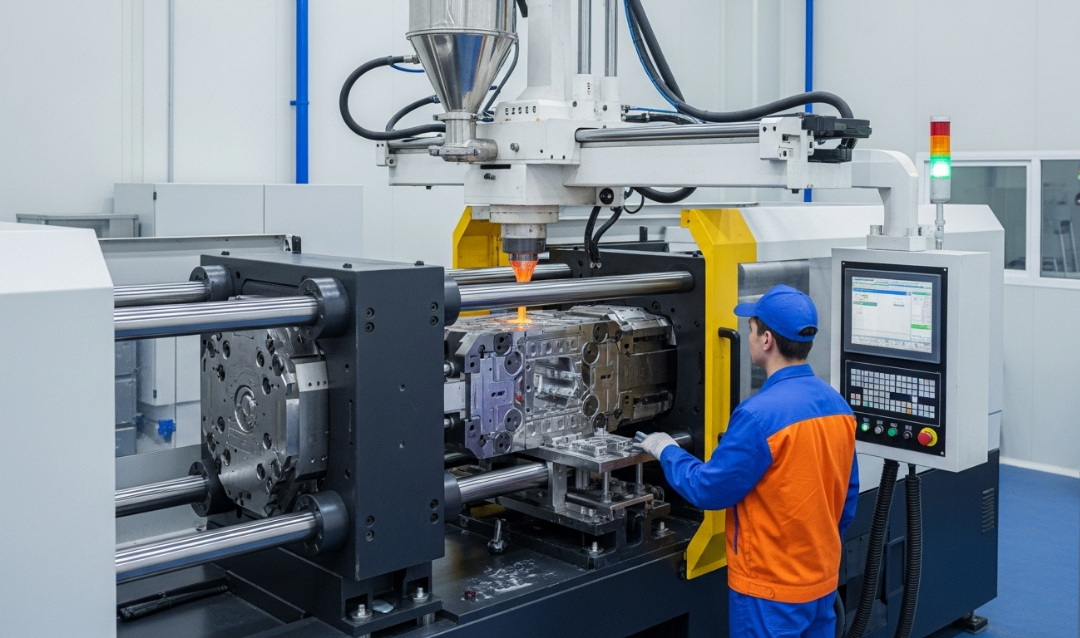
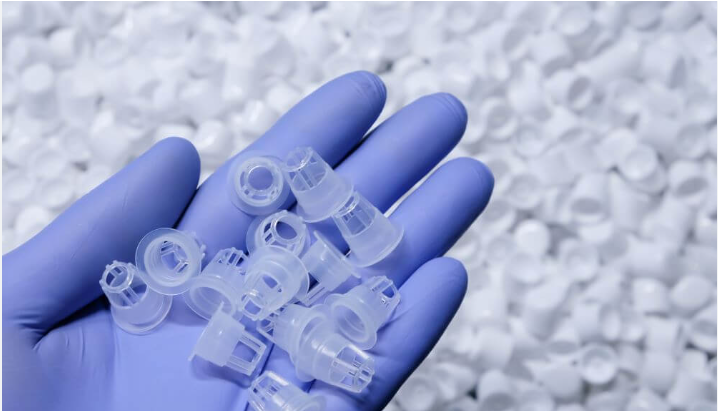
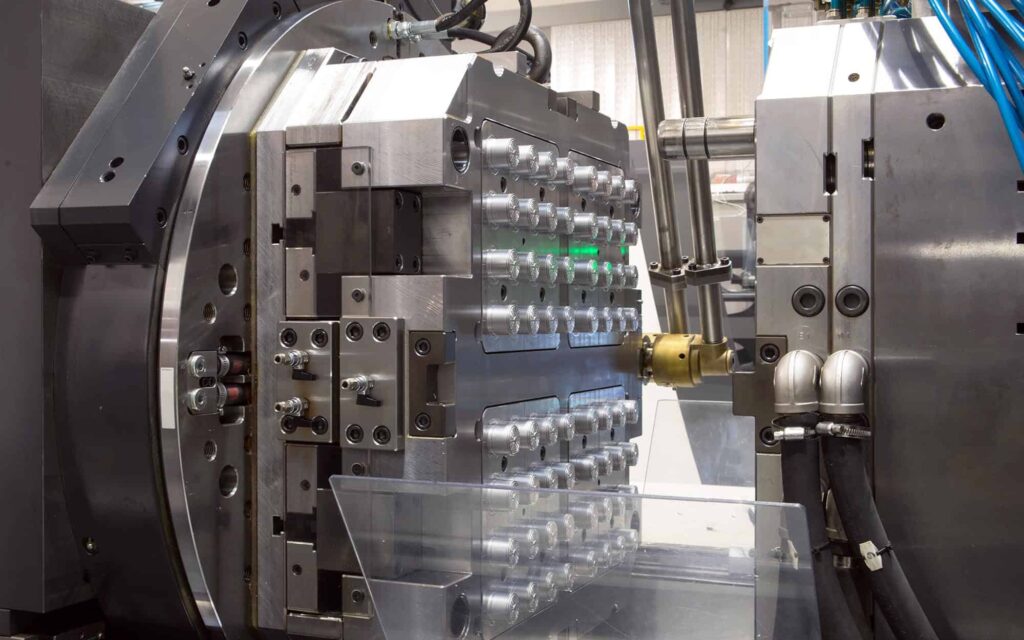
Medical injection molding is a specialized process used to create complex plastic parts for healthcare applications under tightly controlled and validated conditions. The core objective is to deliver parts that meet strict requirements for dimensional accuracy, material purity, mechanical strength, and patient safety. The process relies on dedicated molding presses, optimized tooling, automated handling, and rigorous monitoring of temperature, pressure, and cycle parameters.
What separates it from standard manufacturing is its emphasis on full traceability, documentation, and compliance. Every batch of components must conform to regulatory expectations, undergo quality inspection, and align with documented validation protocols. This level of control ensures that components used in surgical devices, IV systems, diagnostic cartridges, and lab equipment perform reliably in critical environments.
Cleanroom Manufacturing Requirements
A significant portion of medical injection molding is performed inside cleanroom injection molding (ISO 14644) environments. Cleanrooms maintain low levels of airborne particulates, humidity control, HEPA-filtered airflow, and temperature stability. They are crucial for producing parts that directly contact bodily fluids, medications, or internal tissues.
ISO 14644 classifications commonly used include:
- ISO 7 and ISO 8 for syringe components and medical housings
- ISO 5 and ISO 6 for micro-molded parts and implant-adjacent devices
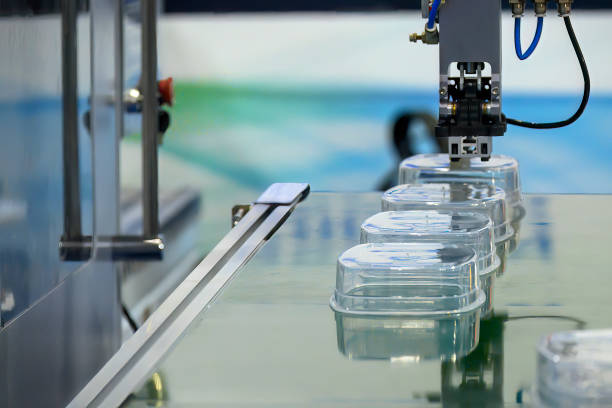
Automation, robotics, and sealed packaging are often integrated to keep human interaction minimal, ensuring sterility, consistency, and reduced contamination risk.
Regulatory Standards and Compliance
One of the defining characteristics of medical injection molding is the requirement to meet strict quality frameworks. ISO 13485-compliant molding ensures that manufacturing processes follow medical device standards for documentation, risk mitigation, corrective actions, and traceability. Manufacturers producing components for the U.S. market must also follow FDA-compliant medical molding, which requires validation protocols such as IQ/OQ/PQ, controlled changes, and Device History Records (DHR).
These regulatory expectations guarantee that every molded component meets healthcare safety and reliability requirements.
Material Selection:
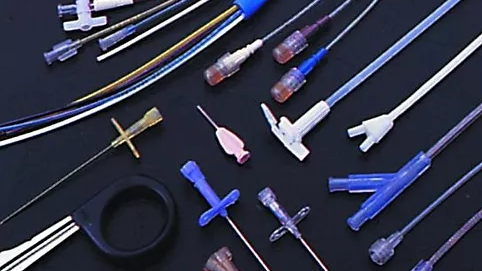
Choosing the right polymer is essential in medical injection molding. Many medical applications require biocompatible medical plastics, which are safe for skin, tissue, and fluid contact. These materials undergo ISO 10993 or USP Class VI testing to confirm safety and resistance to chemical or biological reactions. Common materials include:
- Polycarbonate (PC) for surgical housings and diagnostic devices
- PP and PE for syringes, IV parts, and tubing components
- PPSU and PSU for sterilization-resistant parts
- TPU for flexible, soft-touch components
- PEEK for implant-grade and high-strength parts
Advanced polymers must be carefully dried, processed, and temperature-controlled to maintain their mechanical integrity.
Liquid Silicone Rubber (LSR) and Soft-Component Production
Many medical devices rely on soft, flexible, hypoallergenic parts, making medical injection molding an essential technology in this sector, particularly when using liquid silicone rubber (LSR). LSR is ideal for respiratory masks, wearable devices, valves, seals, baby-care components, and implant-compatible products.
It offers outstanding clarity, biocompatibility, temperature resistance, and chemical stability. LSR molding requires precision mixing and metering systems, cold-runner mold technology, and carefully controlled curing times to ensure consistent performance.
Thin-Wall Medical Part Manufacturing
Medical devices increasingly require lightweight, compact, micro-featured parts. Thin-wall medical molding allows manufacturers to produce components with walls as thin as 0.2–0.4 mm without compromising strength or rigidity.
This technique is widely used for:
- Diagnostic cartridges
- Lab consumables
- Microfluidic devices
- Surgical instrument housings
Thin-wall molding demands advanced material flow, high-speed injection, fine-tuned mold design, and exceptional thermal control.
Insert Molding for Medical Devices
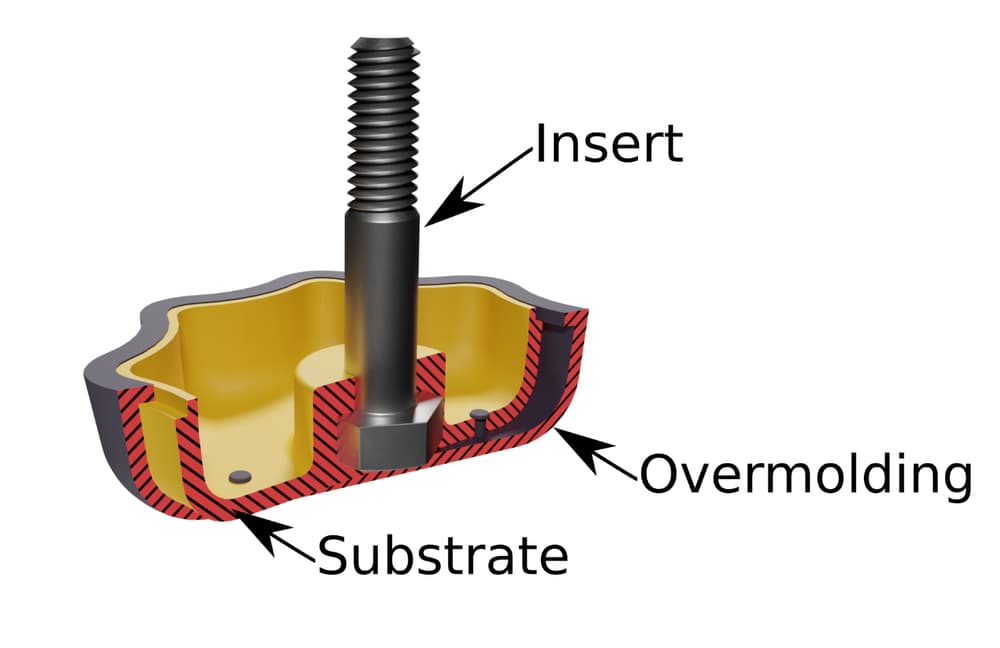
Metal-to-plastic integration is common in surgical instruments, diagnostic systems, and electrical connectors. Insert molding for medical devices involves placing pre-manufactured components, typically stainless steel, threaded inserts, sensors, or electrical contacts, into the mold before injecting plastic.
This creates a unified, sterile, and structurally strong assembly without secondary joining processes. Insert molding improves reliability, reduces assembly steps, and enhances manufacturability.
Overmolding Medical Components
Dual-material functionality is often required for ergonomic comfort, sealing, electrical insulation, or improved usability. Overmolding medical components adds a secondary layer of soft or functional material onto a rigid base part.
Examples include:
- Soft-grip surgical handles
- Device housings with shock absorption
- Catheter tips
- Wearable device interfaces
Overmolding allows designers to combine performance, comfort, and safety in a single component.
Sterilization Requirements and Material Compatibility
Medical components must often withstand repeated sterilization cycles, making sterilization-resistant materials essential. Common sterilization methods include autoclaving (steam), gamma radiation, ethylene oxide (EtO), and electron beam sterilization.
Plastics such as PPSU, PEI, PEEK, PP, and medical-grade silicone are specifically designed to maintain dimensional stability, strength, and color integrity even after multiple sterilization cycles.

Why does it matter?
It ensures precision, repeatability, and safety for components used in critical care environments. Its advantages include:
- Micron-level accuracy
- Repeatable high-volume production
- Clean, contamination-free environments
- Broad material selection
- Cost-effective scaling
- Reliable integration of metal, silicone, and advanced polymers
Medical manufacturers depend on this process to deliver consistent, regulatory-compliant products that support global healthcare systems.
Conclusion:
Medical injection molding is one of the most specialized and technically demanding fields within the plastics industry. Because medical devices directly impact patient safety, every stage, from cleanroom production and material selection to tooling precision and regulatory validation, must meet the highest possible standards. Through cleanroom injection molding (ISO 14644), ISO 13485-compliant molding, and FDA-compliant medical molding, manufacturers ensure that every part is produced in a controlled, traceable, and validated environment.
With advancing technologies such as liquid silicone rubber (LSR) molding, thin-wall medical molding, insert molding for medical devices, and overmolding medical components, the industry continues to evolve toward smaller, stronger, biocompatible, and sterilization-ready products. As demand for reliable, high-performance medical components grows, the precision and scalability of medical injection molding will remain central to innovation in diagnostics, therapeutics, surgery, and patient care worldwide.