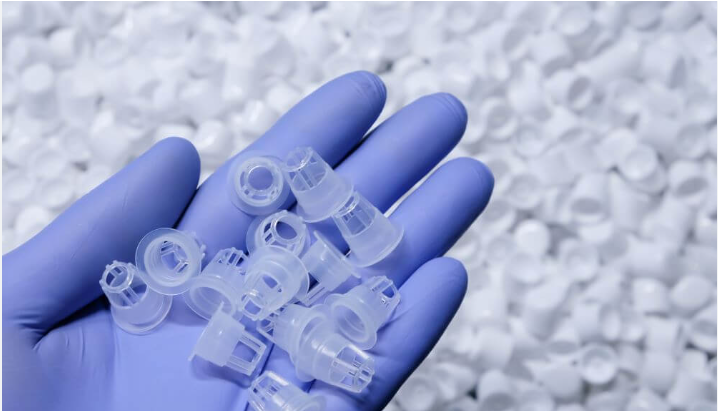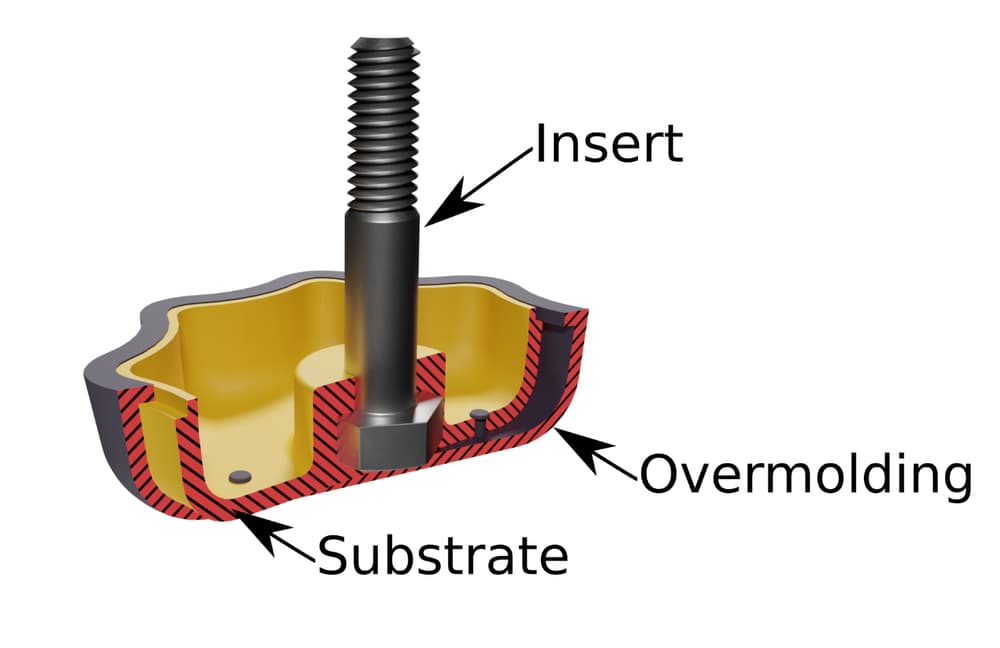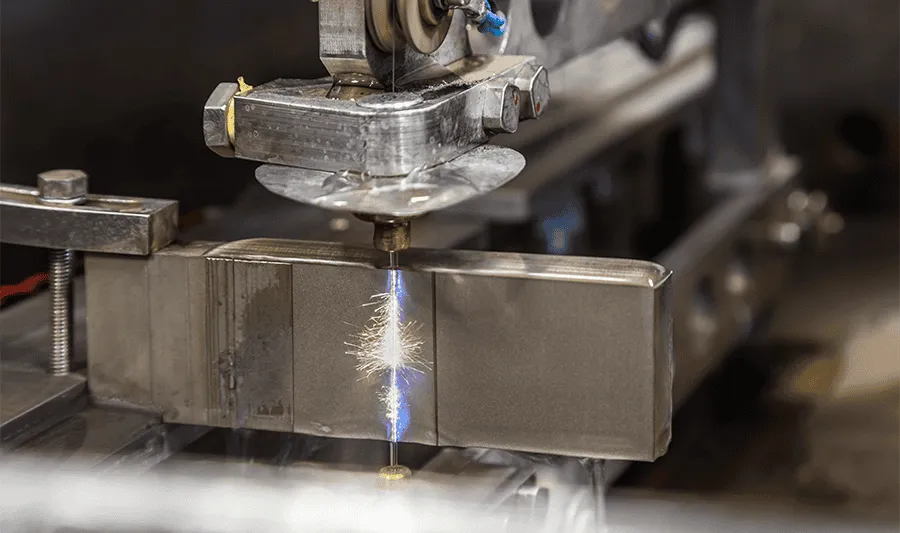

Selecting the right materials is one of the most important decisions in medical grade plastics injection molding, especially as healthcare demands higher safety, precision, sterilization resistance, and regulatory compliance. Medical devices rely on specialized polymers that offer biocompatibility, traceability, durability, and compatibility with cleanroom manufacturing. Whether it’s a single-use syringe, a surgical tool handle, or a microfluidic diagnostic chip, the material behind the device directly impacts patient safety, device performance, and the longevity of the healthcare product.
Healthcare manufacturers must balance regulatory requirements, sterilization conditions, mechanical performance, and cost while choosing the best medical-grade plastics. With advances in micro-molding, antimicrobial additives, and high-performance polymers like PEEK, the industry now has more sophisticated options than ever. This guide breaks down the role of medical-grade plastics, key selection criteria, regulatory considerations, and the best materials used in modern healthcare manufacturing.
What Makes a Plastic “Medical Grade”?
Medical-grade plastics are engineered to meet strict requirements for biocompatibility, sterilization compatibility, chemical resistance, and regulatory approval. Unlike standard consumer plastics, these materials undergo rigorous USP Class VI certified plastics testing, ISO 10993 biological evaluation, and material traceability protocols.
A medical-grade polymer must perform safely inside a sterile manufacturing environment, resist degradation from disinfectants, tolerate high temperatures from autoclave cycles, and deliver consistent results in low-particulate cleanroom molding. These plastics are formulated with stable additives, medical-approved colorants, and documentation packages ensuring complete batch control for traceability. Furthermore, medical-grade variants must be moldable with precision, support micro-scale features, and maintain mechanical integrity during millions of molding cycles.
Biocompatibility and USP Class VI Certification
The first requirement of any material used in medical grade plastics injection molding is its biocompatibility. This determines whether the plastic is safe for direct or indirect contact with human tissue or fluids.
The two major standards are:
USP Class VI Certification
One of the strictest material standards, involving:
- systemic toxicity testing
- intracutaneous reactivity testing
- implantation tests for long-term tissue response
USP Class VI certified plastics are often used for:
- connectors
- fluid handling components
- IV system parts
- surgical instrument handles
ISO 10993 Biological Evaluation
This standard assesses:
- cytotoxicity
- sensitization
- irritation
- hemocompatibility
- long-term biological impact
These certifications ensure the polymer can be confidently used in medical devices without causing adverse reactions.
Sterilization Compatibility in Healthcare Manufacturing
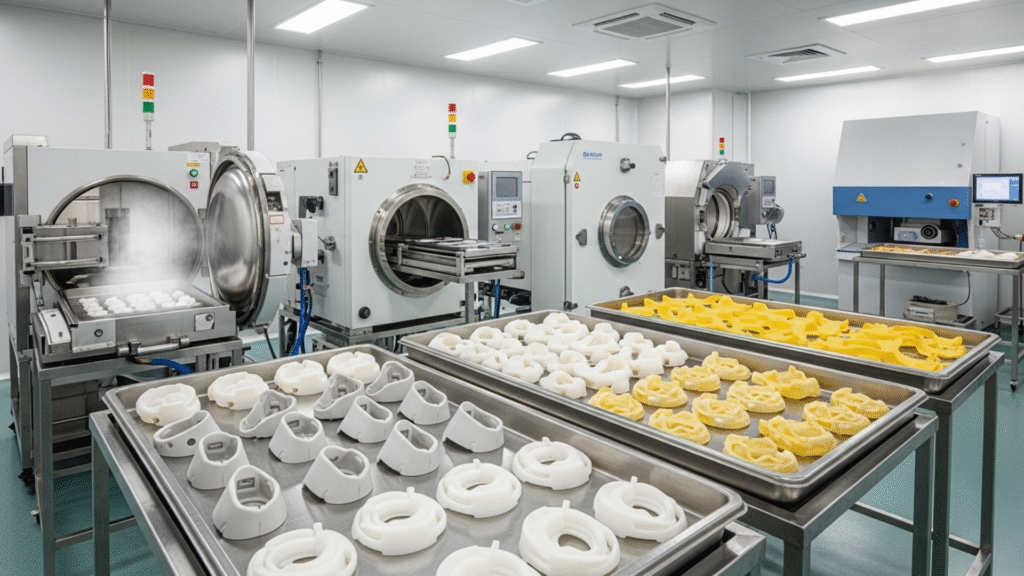
Medical devices must endure sterilization processes without losing mechanical or aesthetic integrity. The most common sterilization methods include autoclaving, gamma radiation, ethylene oxide (EtO), electron beam sterilization, and chemical disinfectants. Each plastic responds differently to these methods.
For example, PEEK, PC, and PP medical plastics remain stable across different sterilization modes, but materials like PVC or ABS may yellow, warp, or degrade under gamma radiation. Selecting the proper plastic ensures the device remains functional and safe even after multiple sterilization cycles. Understanding sterilization compatibility upfront prevents failures during mass production and ensures long-term reliability.
Regulatory Compliance: FDA, ISO, and MDR Standards
Regulatory compliance shapes every decision in medical grade plastics injection molding. Medical plastics must comply with FDA 21 CFR guidelines, meet ISO 13485 certification standards for quality management, and align with EU MDR regulations for global device distribution.
Manufacturers of medical grade plastics injection molding must implement robust traceability and batch control to document resin origin, processing parameters, and material certifications such as COA and COC. Devices often require complete UDI (Unique Device Identification) integration and detailed risk management under ISO 14971. Regulatory-approved plastics streamline audits, accelerate market approvals, and protect patient safety.
Common Medical-Grade Plastics and Their Properties
Several polymers dominate the medical device industry due to their safety records, mechanical performance, and regulatory clarity. Polycarbonate (PC) is favored for its transparency, impact strength, and sterilization stability, making it ideal for inhalers, diagnostic housings, and fluid management components. Polypropylene (PP) is widely used for syringes, caps, and disposable components because of its chemical resistance and low cost.
Polyethylene (PE) variants like HDPE and LDPE are preferred for tubing and flexible connectors, while UHMWPE supports orthopedic applications due to its high wear resistance. PEEK, a high-performance polymer, excels in surgical instruments, implant-adjacent parts, and high-temperature environments. Materials like silicone, PMMA, ABS medical grade, and PTFE fill niche applications in surgical tools, seals, and microfluidic devices. Each polymer offers unique benefits that align with a device’s mechanical, chemical, and functional needs.
Antimicrobial Plastic Materials for Healthcare Safety
To reduce the spread of healthcare-acquired infections, many devices now integrate antimicrobial plastic materials that resist bacterial growth. These polymers are engineered with silver-ion additives, copper-based compounds, or UV-stable formulations to inhibit microbial activity on device surfaces.
Antimicrobial resins are commonly used in diagnostic device housings, wearable medical products, surgical tool handles, and hospital room equipment. These materials must maintain biocompatibility and pass the same sterilization tests as standard medical plastics, ensuring they do not leach harmful substances or interfere with device function.
Cleanroom Injection Molding and Traceability Standards
High-risk medical components must be produced in contamination-free environments. Low-particulate cleanroom molding ensures components remain sterile or ready for downstream sterilization without contamination. Most medical molding happens in ISO Class 7 or 8 cleanrooms equipped with HEPA filtration, controlled airflow, and strict gowning procedures.
Cleanroom molding is essential for components like microfluidic chips, diagnostic cartridges, and implant-adjacent housings. Meanwhile, traceability and batch control systems log resin batches, mold cycle data, and manufacturing parameters to support regulatory audits and patient safety. This level of documentation is mandatory in modern healthcare device manufacturing.

Micro-Molding for High-Precision Medical Devices
Medical devices are becoming smaller and more complex, increasing the demand for precision micro-molding applications. Micro-molding allows manufacturers to produce components with sub-millimeter features, thin walls, and ±5–10 micron tolerances.
Medical grade plastics injection molding technology supports microfluidic diagnostic devices, micro-needles, catheter tips, thin-walled housings, and miniature gears found in wearable drug delivery systems. Micro-molding often uses high-performance polymers like PEEK, PC, and LCP due to their flow characteristics and dimensional stability. As devices become more advanced, micro-molding will continue to drive innovation in diagnostic technology and drug delivery.
Injection Molding Considerations for Healthcare Devices
In medical grade plastics injection molding, the process must meet the highest precision and repeatability standards. Key considerations include:
- tight tolerance control
- validated tooling with IQ/OQ/PQ
- contamination-free mold design
- optimized gating for sensitive materials
- controlled melt temperatures
- consistent cycle times
- mold venting to reduce burning or voids
Micro-molding tools rely on:
- hardened steel
- high-cavitation layouts
- nano-level polishing for surface finish
These engineering pressures ensure medical devices perform identically across millions of cycles.
Where Medical-Grade Plastics Are Used in Healthcare?
Medical plastics appear in nearly every healthcare category. Single-use components like syringes, caps, connectors, and diagnostic cartridges rely on PP, PE, and PC. Diagnostic instruments use PC, PEEK, and ABS for housings, optical components, and microfluidic chips. Surgical tools and dental devices use high-strength polymers like PEEK and PPSU. Drug delivery systems rely on precise molding for inhalers, insulin pens, and pump components. Hospital equipment integrates antimicrobial plastics for increased safety. This broad versatility explains why medical-grade plastics continue to dominate modern healthcare manufacturing.
Conclusion
Modern healthcare requires materials that combine biocompatibility, sterilization stability, mechanical strength, and regulatory compliance. Medical grade plastics injection molding enables manufacturers to create safer, more reliable, and more cost-efficient devices at scale. With advanced polymers such as PEEK, PC, and PP medical plastics, engineers can meet the rigorous demands of diagnostics, surgical tools, single-use consumables, and drug delivery systems.
The integration of sterile cleanroom molding, antimicrobial additives, precision micro-molding, and full traceability systems ensures medical devices meet global standards while supporting innovation. As healthcare technology accelerates, medical-grade plastics will continue to play a vital role in enabling safer, smarter, and more advanced medical solutions.