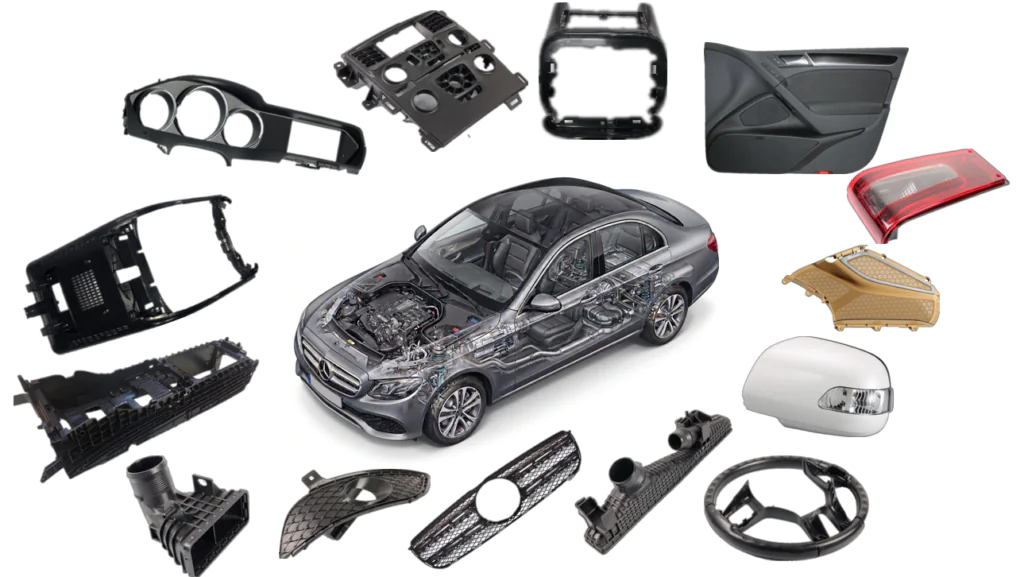
Plastic injection molding materials directly determine how a part performs, looks, and survives in real-world conditions. Whether you’re building components for automotive, electronics, consumer goods, medical devices, or industrial equipment, the resin you choose affects strength, flexibility, heat resistance, chemical behavior, and long-term durability.
Modern manufacturing relies on engineered plastics to replace metal, reduce weight, cut costs, and improve design freedom. But with hundreds of available polymers and countless variations, selecting the right material can be challenging without a clear understanding of how different plastics behave in molding. This guide breaks down the most commonly used materials in injection molding, explaining how they’re selected, where they excel, and why proper resin choice is crucial for creating reliable, high-performance plastic parts.
Overview of Plastic Injection Molding & Its Role in Manufacturing
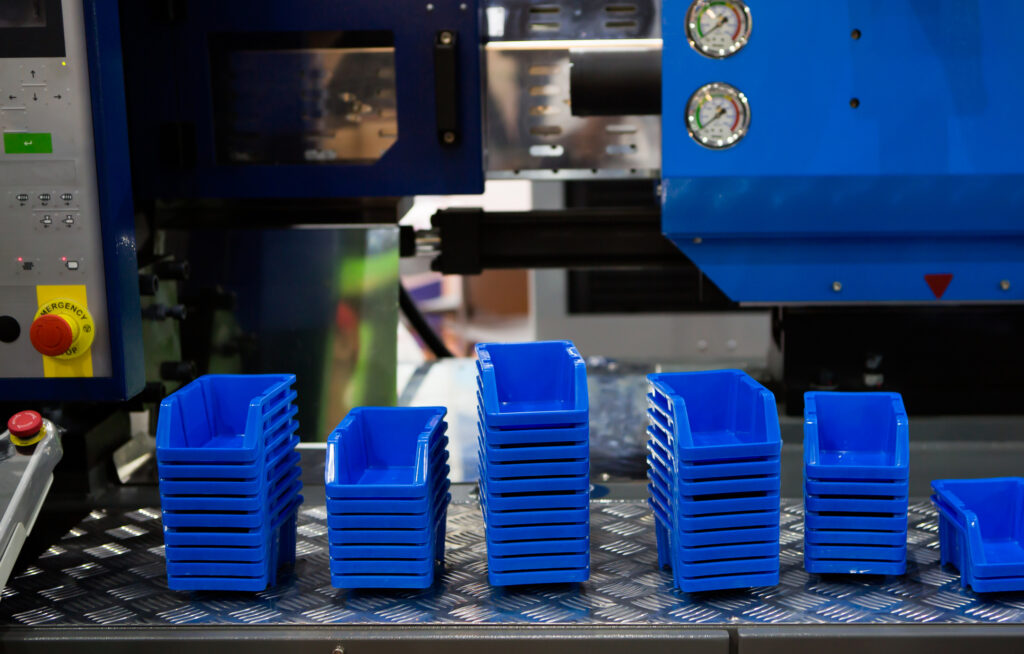
At its core, plastic injection molding is a high-efficiency, highly repeatable manufacturing method used to produce millions of identical components with precise dimensions. In this process, molten polymer is injected into a steel mold, cooled, and ejected as a finished part. Its speed, accuracy, and scalability have made injection molding the backbone of mass production across nearly every industry. Because the method supports intricate geometries and tight tolerances, it’s widely used for creating consumer goods, automotive systems, medical devices, electronics housings, and countless other plastic parts.
The process also integrates features like clips, ribs, textures, hinges, and surface details directly into the part, reducing assembly steps and improving durability. In modern factories, injection molding plays a critical role in transforming plastics into functional, aesthetically consistent, and cost-effective components. Its ability to combine automation, material versatility, and high-volume output is why this technique remains the industry standard for producing molded components at scale.
Understanding Thermoplastics Used in Plastic Molding
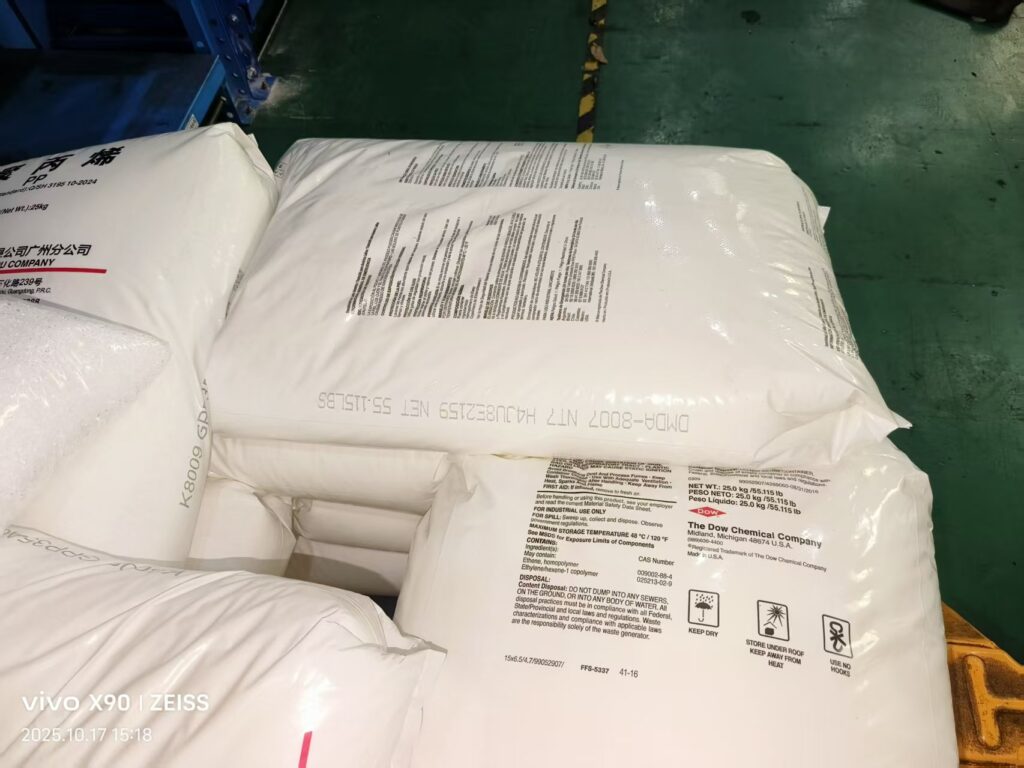
Most materials used in plastic injection molding are thermoplastics, a family of polymers that soften when heated and solidify when cooled, without losing their chemical properties. This reversible behavior makes them ideal for the molding process, allowing manufacturers to shape complex parts quickly and repeatedly. Thermoplastics come in hundreds of grades, each engineered for specific mechanical, thermal, and chemical requirements. Common thermoplastics include polypropylene (PP), ABS, polycarbonate (PC), nylon (PA), polyethylene (PE), and specialty materials like POM and TPU.
These polymers differ widely in strength, flexibility, temperature tolerance, and surface quality, which is why selecting the right type is crucial for achieving the desired performance in plastic molding applications. Understanding thermoplastic behavior, such as shrinkage, melt flow, and impact resistance, helps engineers choose the right material for consistent, high-quality molded components. This foundation sets the stage for selecting the best resin for both functional and aesthetic requirements in modern manufacturing.
Most Common Resin Materials for Injection Molding
Selecting the right resin materials is essential for achieving strength, durability, and cost efficiency in plastic injection molding. Each polymer offers distinct characteristics, making it suitable for specific applications across industries.
Polypropylene (PP): One of the most widely used materials due to its low cost, excellent chemical resistance, and flexibility. Ideal for consumer goods, packaging, automotive trims, and household products.
ABS (Acrylonitrile Butadiene Styrene): Known for strength, rigidity, and a smooth surface finish. Commonly used in electronics housings, appliance components, and automotive interior parts.
Polycarbonate (PC): Extremely tough and impact-resistant, with excellent transparency. Used for lenses, lighting covers, safety equipment, and high-strength mechanical parts.
Nylon (PA): Offers superior wear resistance, heat tolerance, and mechanical strength. Preferred for gears, industrial components, and under-the-hood automotive parts.
Polyethylene (PE): Lightweight and versatile with strong chemical resistance. Used in containers, caps, toys, and general-purpose molded components.
Acetal (POM): Provides high stiffness, low friction, and precision performance. Perfect for gears, mechanical linkages, and moving parts.
Thermoplastic Elastomers (TPE/TPU): Flexible, rubber-like materials used for soft-touch grips, seals, and overmolded elements.
These manufacturing plastics allow designers to balance performance, cost, and aesthetic requirements, ensuring each component meets the specific needs of its industry.
“Identifying defects early through prototype injection molding can save thousands in rework costs before mass production.”
How Material Properties Affect Mold Design and the Molding Process
Every polymer behaves differently during plastic injection molding, which means material choice has a direct impact on mold design and overall part quality. Properties like melt flow index, shrinkage rate, cooling behavior, and viscosity determine how the molten plastic fills the cavity, how it cools, and how stable the final dimensions will be. For example, materials such as polypropylene shrink more than rigid polymers like ABS, requiring designers to adjust cavity dimensions to maintain accuracy. Heat tolerance and chemical resistance also influence gating, venting, and runner design.
High-temperature thermoplastics may require robust steel molds, optimized cooling channels, and carefully controlled processing windows to avoid warping or burn marks. In contrast, flexible materials like TPE need uniform wall thickness and slower cooling to prevent deformation. Understanding these material-driven behaviors ensures that the molding process runs efficiently, reducing defects and extending tool life. When resin characteristics align with proper design considerations, manufacturers achieve consistent molded components with fewer rejects, shorter cycle times, and improved performance across all applications.
Molding Techniques That Enhance Part Performance
Beyond material selection, advanced molding techniques play a major role in improving the performance, durability, and precision of parts produced through plastic injection molding. Manufacturers often rely on specialized methods to achieve multi-material structures, enhanced strength, or improved ergonomics, depending on the application. Overmolding is used to bond two different materials, such as a rigid plastic frame with a soft TPE grip,to create ergonomic or sealed components. Insert molding integrates metal inserts into the plastic during the molding cycle, producing strong fastening points and electrical interfaces.
Multi-shot molding allows multiple materials or colors to be injected sequentially in one cycle, resulting in highly functional, aesthetic, or complex assemblies without secondary operations. These advanced techniques enable designers to achieve greater structural integrity, improved surface quality, and enhanced product functionality. By combining the right polymer with the appropriate molding method, manufacturers can create plastic parts that meet demanding performance requirements across automotive, medical, electronics, and consumer product industries.
Conclusion
Choosing the right polymer is one of the most important decisions in plastic injection molding, because material performance directly impacts strength, durability, appearance, and overall product lifespan. With so many resin materials available, from flexible elastomers to high-strength engineering plastics, manufacturers must evaluate each option based on mechanical requirements, environmental exposure, and intended application. By understanding how different thermoplastics behave in the molding process and how they influence tool design, cooling, and production efficiency, engineers can make informed decisions that reduce defects and improve long-term reliability.
Advanced molding techniques like overmolding, insert molding, and multi-shot molding further expand what’s possible, enabling complex features and multi-material components to be produced in a single, streamlined operation. In the end, successful material selection ensures consistent quality, optimized cost, and dependable performance for every molded component, whether it’s used in consumer products, automotive systems, medical devices, or industrial equipment.