Choosing the right injection molding materials is one of the most critical decisions in product development. The mechanical strength, heat resistance, chemical durability, impact toughness, dimensional stability, and long-term performance of a molded part all depend on selecting a resin that matches the application’s functional and environmental requirements. Today’s industrial-grade thermoplastics offer a massive range of performance characteristics, and this variety can make injection molding resin selection challenging, especially when engineers must balance cost, manufacturability, and end-use conditions.
Competitive analysis across material suppliers shows that optimal material selection requires understanding polymer structure, stress behavior, shrinkage patterns, heat resistance, flow rates, chemical compatibility, and failure modes like environmental stress cracking (ESC). This guide explains the most important properties, how to compare materials, and how to choose the correct resin for your next injection-molded part.
Understanding Thermoplastics for Injection Molding
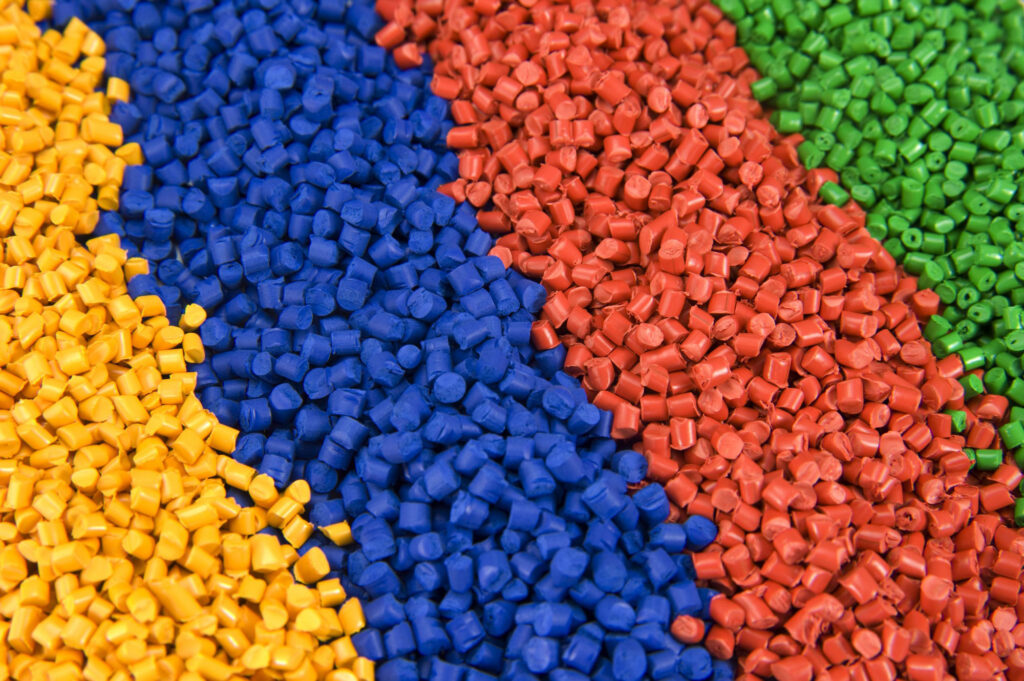
Most molded products today are made from thermoplastics, which are widely used as injection molding materials because they soften when heated and solidify when cooled. Common types include ABS, PC, PP, PA66, POM, PE, PET, PPS, TPE, and advanced materials like PEEK and PEI, often selected during customdevelopment to meet specific performance and application requirements. Each resin behaves differently during molding due to variations in crystallinity, molecular weight distribution, melt behavior, cooling rate, and filler loading.
Amorphous polymers, such as ABS, PC, PMMA, and PS, offer excellent dimensional stability and clarity. Semi-crystalline polymers, such as PA66, POM, PP, PE, and PBT, provide higher chemical resistance and fatigue strength but can warp if not cooled evenly. Engineers must choose materials based on end-use conditions and required performance metrics.
Injection Molding Resin Selection Criteria
The process of injection molding resin selection begins with evaluating the mechanical, thermal, and environmental expectations of the final product. This includes:
- Mechanical load (stress, strain, repeated impact)
- Exposure to humidity, chemicals, or UV light
- Dimensional tolerance requirements
- Surface finish expectations
- Regulatory standards (FDA, UL94, medical, aerospace)
- Production volume and cost targets
Injection molding materials data sheets provide these values, but real-world performance often varies depending on mold design, gate placement, cooling strategy, and part thickness.
HDT/DTUL Heat Deflection Temperature
A key performance metric for injection molding materials is HDT/DTUL heat deflection temperature, which indicates how well a plastic maintains shape when exposed to elevated load and heat. This is especially important for automotive under-hood components, electrical connectors, appliance housings, and structural parts that must resist softening.
Semi-crystalline materials like PA66, PBT, PPS, and PEEK exhibit significantly higher HDT values than amorphous resins such as ABS or PC. When evaluating temperature performance, engineers must consider both mechanical loads and expected environmental conditions.
Vicat Softening Temperature Plastics
Unlike HDT, the Vicat softening temperature plastics test measures the point where a polymer begins to deform under a small load as temperature increases. This helps predict surface stability, creep resistance, and dimensional integrity for consumer electronics, automotive interiors, and appliances.
It also provides insight into polymer flow behavior during processing, especially for thin-wall parts.
Melt Flow Rate (MFR) in Injection Molding
The melt flow rate (MFR) in injection molding measures how easily molten resin flows through the mold. Higher MFR materials fill thin sections quickly and reduce injection pressure requirements. Lower MFR grades provide better mechanical strength and toughness.
Engineers must balance flow, strength, and part geometry. High-flow materials may fill difficult features but risk brittleness or sink marks, while low-flow materials may require higher temperatures or injection pressure.
Environmental Stress Cracking (ESC)
A common cause of failure in plastic components is environmental stress cracking (ESC), micro-cracking caused by the combination of internal stress and exposure to chemicals such as oils, detergents, alcohols, or plasticizers.
Injection molding materials like PC and ABS are particularly vulnerable if exposed to incompatible chemicals. Semi-crystalline polymers like PA66, POM, and PE often offer better ESC resistance, but performance varies based on formulation and filler loading. Understanding ESC risk is crucial for consumer goods, automotive fluid systems, and medical housings.
Mechanical Strength and Impact Behavior
Injection molding materials vary widely in toughness. The notched Izod impact resistance value provides a standardized measure of impact performance, especially for parts prone to sudden loads, drops, or vibrations.
PC, ABS, and PC-ABS blends have excellent impact strength, while semi-crystalline materials like POM or PA66 excel in fatigue resistance. Filled materials, such as 30% glass-filled nylon 6/6 (PA66 GF), offer exceptional stiffness and heat resistance but reduced impact toughness and increased brittleness.
ABS vs PC for Injection Molding
Comparing ABS vs PC for injection molding reveals key differences:
- ABS offers balanced toughness, affordability, good moldability, and excellent surface finish.
- PC provides significantly higher impact strength, better clarity, and superior heat resistance, but requires higher processing temperatures.
PC-ABS blends combine the best of both: toughness, strength, and improved processability.
PEEK vs PEI vs PPSU
High-performance materials like PEEK vs PEI, vs PPSU are used when extreme temperature, chemical exposure, or mechanical stress are involved.
- PEEK withstands continuous use above 250°C and offers exceptional chemical resistance and fatigue strength.
- PEI (Ultem) provides high rigidity and thermal stability at a lower cost but with slightly reduced chemical resistance.
- PPSU offers excellent hydrolysis resistance, making it suitable for medical sterilization and repeated high-temperature cleaning.
These engineering thermoplastics are commonly used in aerospace, oil & gas, industrial equipment, and medical components.
Glass-Filled Nylon 6/6 (PA66 GF) Properties
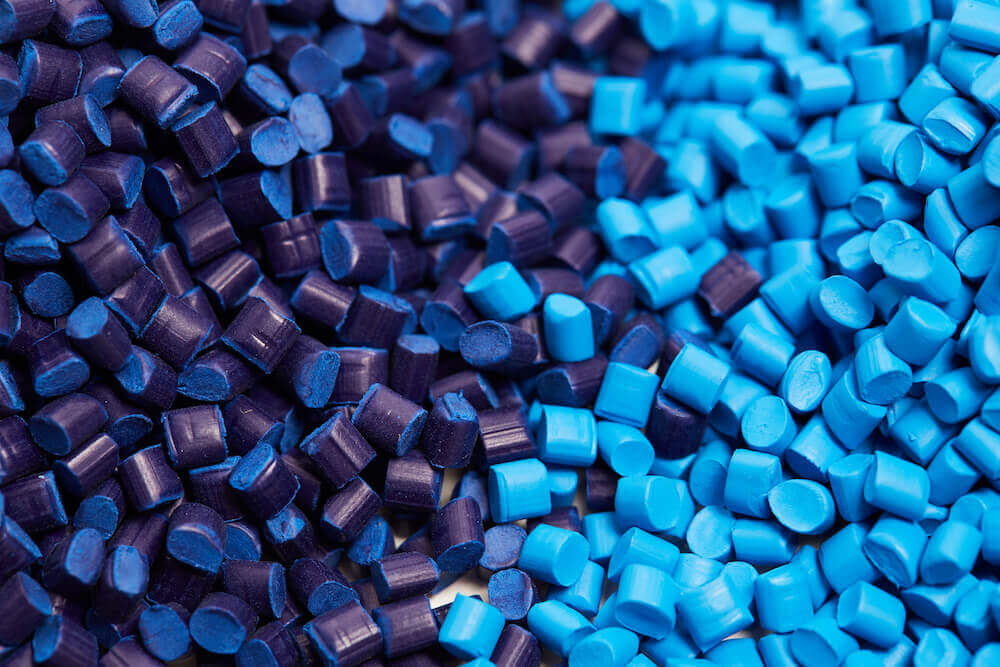
Adding glass fiber reinforcement improves tensile strength, dimensional stability, stiffness, and thermal performance. Glass-filled nylon 6/6 (PA66 GF) properties include:
- Higher HDT
- Reduced creep
- Better fatigue resistance
- Lower shrinkage
- Improved wear resistance
However, this material is more abrasive during molding, increasing tool wear, and it absorbs moisture faster, affecting dimensional stability.
Common Thermoplastic Material Categories
Amorphous Polymers
These offer better dimensional stability and clarity but lower chemical resistance. Examples: ABS, PC, PS, PMMA, PVC.
Semi-Crystalline Polymers
Known for higher durability, better chemical resistance, and lower friction. Examples: PP, PE, PA66, POM, PBT, PET, PPS.
Elastomers
For flexibility and soft-touch components. Examples: TPE, TPU.
High-Performance Engineering Plastics
Used for precision, high-heat, or structural applications. Examples: PEEK, PEI, PPSU, PSU, LCP.
Factors Affecting Material Selection
Material selection must account for:
- Mechanical loading
- Temperature extremes
- Moisture absorption
- Creep and fatigue resistance
- Mold design and gate placement
- Wall thickness and flow length
- Surface finish requirements
- Regulatory standards
- Production cost
Choosing the wrong material results in cracking, warpage, premature wear, color instability, and failed field performance.
Conclusion
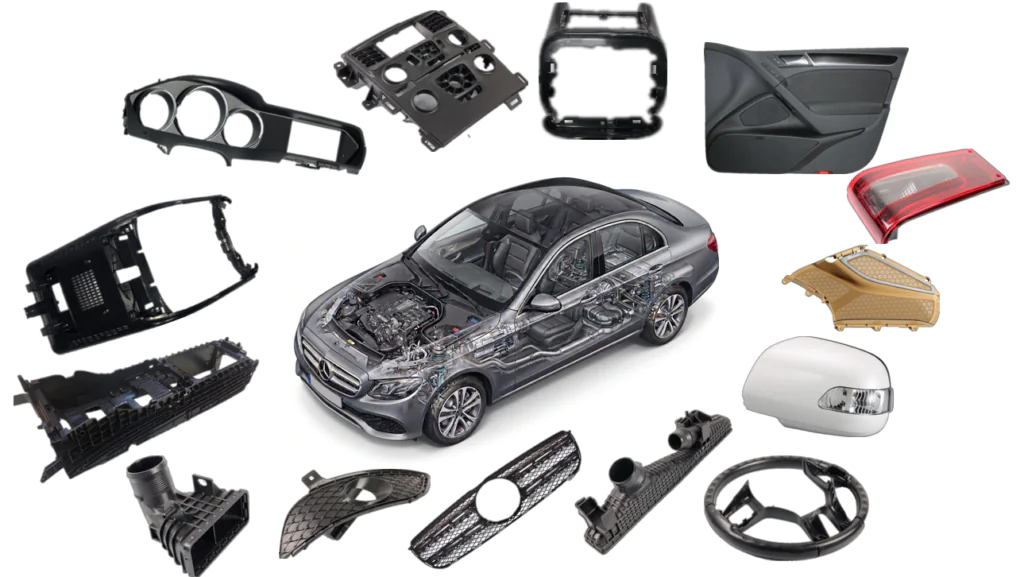
Selecting the right injection molding materials is essential for ensuring part durability, dimensional accuracy, cost-efficiency, and long-term reliability. Every resin has unique thermal, mechanical, and chemical properties that determine how it will behave inside the mold and in real-world applications. From understanding HDT, Vicat softening, MFR, ESC, and impact resistance to comparing engineering plastics like ABS, PC, PA66, PEEK, and PEI, material selection is a technical process that requires both data and application expertise.
Partnering with a knowledgeable injection molding materials supplier or injection molding manufacturer can significantly reduce risks and optimize performance. With the right resin choice, designers can achieve stronger, safer, more reliable parts across automotive, medical, electronics, aerospace, and industrial markets.