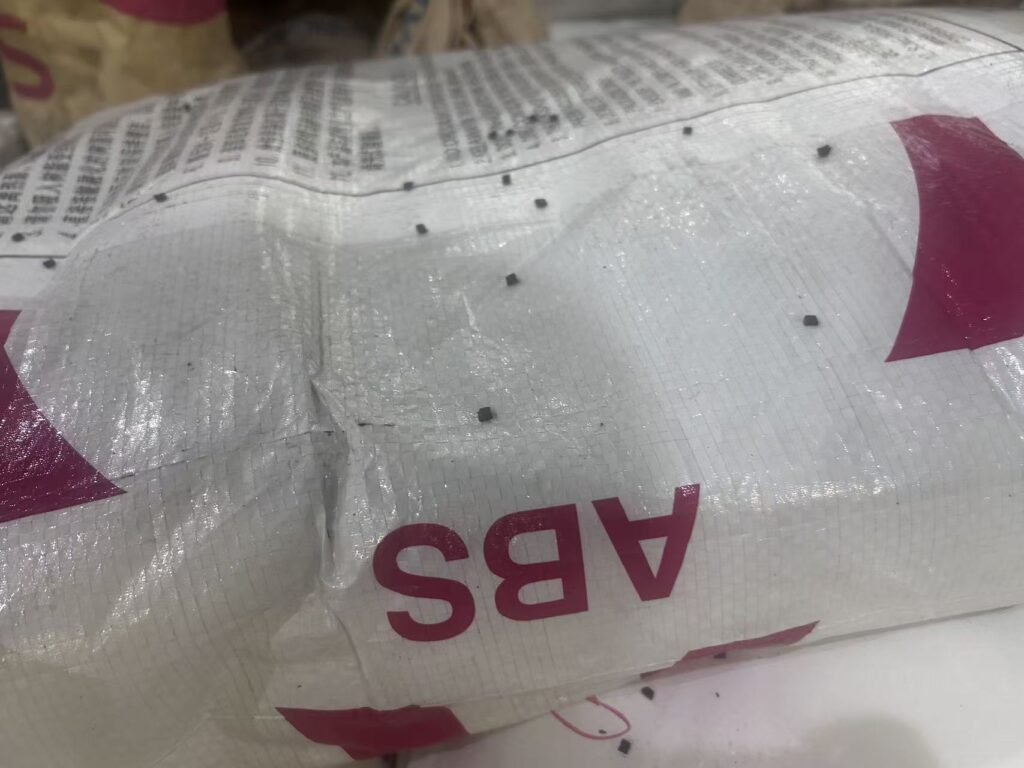
Acrylonitrile Butadiene Styrene, known globally as ABS, is one of the most widely used engineering plastics in injection molding because it combines strength, toughness, dimensional stability, and cost-efficiency in a single material. Industries that require durable, cosmetically appealing, and easily moldable components rely heavily on ABS plastic injection molding, especially automotive, electronics, consumer goods, industrial equipment, and appliance manufacturers.
ABS offers low melting temperatures, excellent flow characteristics, and outstanding impact resistance, making it ideal for complex molded parts that must withstand mechanical load, thermal variation, and everyday handling. Understanding ABS properties, processing behavior, potential defects, and finishing options enables engineers to optimize mold design, maintain quality, and produce functional parts at scale.
ABS Properties and Composition
The performance of ABS comes from its unique properties and composition, which blend three monomers, acrylonitrile, butadiene, and styrene, to balance strength, rigidity, and impact resistance. Acrylonitrile contributes heat resistance and chemical stability, butadiene provides toughness and resilience, while styrene offers stiffness and an attractive surface finish.
Together, these polymers create a material that performs well in structural and cosmetic parts, supports tight dimensional tolerances, and maintains reliable performance in both indoor and industrial environments. ABS provides a smooth, glossy surface that can be easily colored or textured, making it suitable for visible consumer products and precision housings. Its physical stability allows ABS to deliver consistent molding results with fewer defects compared to other engineering plastics.
Heat Resistance and Rigidity
One of the key advantages of ABS plastic injection molding is its balance of heat resistance and rigidity, which allows it to maintain shape and mechanical integrity under moderate operating temperatures. ABS does not match the high-temperature capabilities of polycarbonate or nylon, but for consumer electronics, automotive interiors, and general-use mechanical enclosures, its heat resistance is more than adequate.
The rigidity of ABS enhances its structural performance while still allowing enough flexibility to absorb impact without cracking. This combination provides long-term reliability in parts such as dashboard covers, appliance housings, and electrical enclosures that must endure fluctuating thermal conditions without warping or deforming.
ABS Molding Temperature Range and Processing Behavior
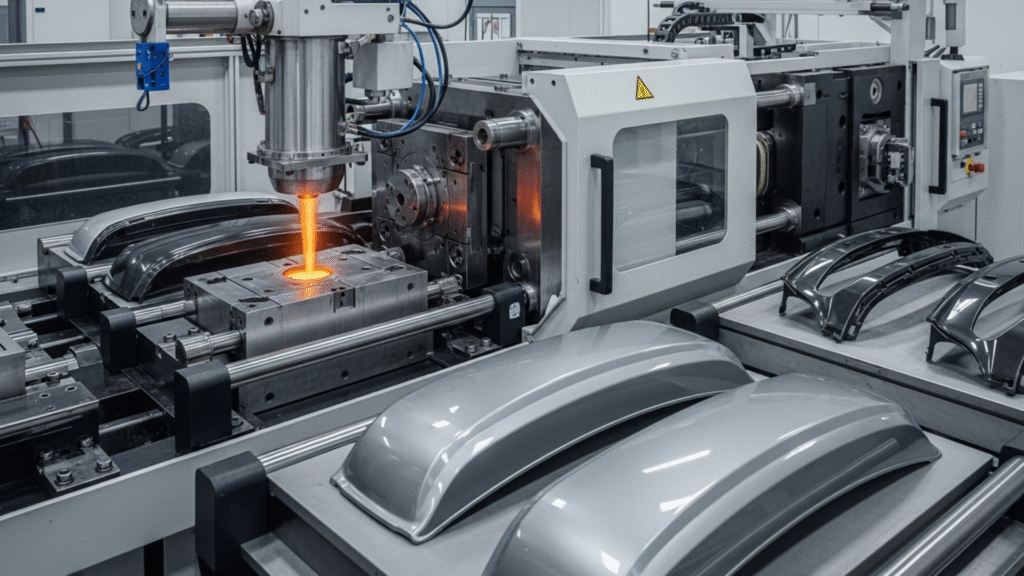
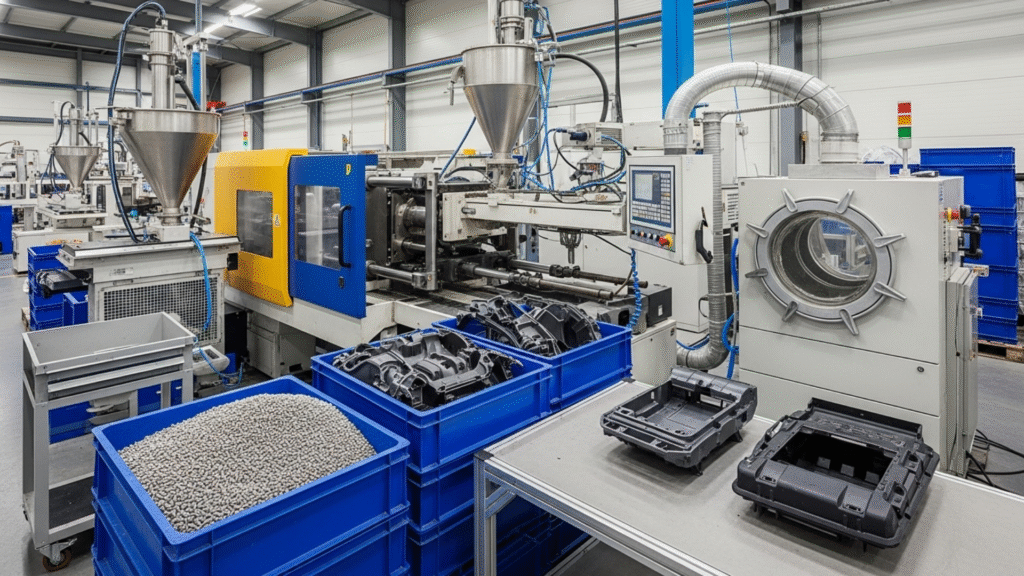
Processing ABS plastic injection molding requires careful attention to its thermal requirements. The ideal ABS molding temperature range typically falls between 210°C and 270°C, depending on the grade and specific formulation. Mold temperatures are often maintained between 40°C and 80°C to achieve optimal flow, reduce internal stress, and improve surface finish. ABS exhibits stable viscosity and flows well into intricate geometries, allowing engineers to mold complex parts with minimal defects.
Temperature control is essential to avoid burning, splay, or discoloration, particularly when ABS contains flame-retardant additives. Proper drying is recommended to prevent moisture from causing surface bubbles or flow lines. Stable injection pressure, consistent holding pressure, and uniform cooling rates contribute to reliable part quality and repeatable results.
Impact Strength of ABS Plastic
The impact strength of ABS plastic is one of its defining characteristics. Thanks to the butadiene component in its structure, ABS absorbs shock exceptionally well and resists cracking even under sudden force. This makes ABS ideal for components that experience frequent handling, accidental drops, or constant mechanical stress.
Many consumer products, from power tool housings to protective casings, toys, automotive clips, and electronic shells, rely on this durability. ABS maintains strength even at lower temperatures, which is critical for parts used in colder climates or unheated environments. Engineers value ABS plastic injection molding for applications that demand a combination of toughness and dimensional accuracy.
Dimensional Stability in Molded Parts
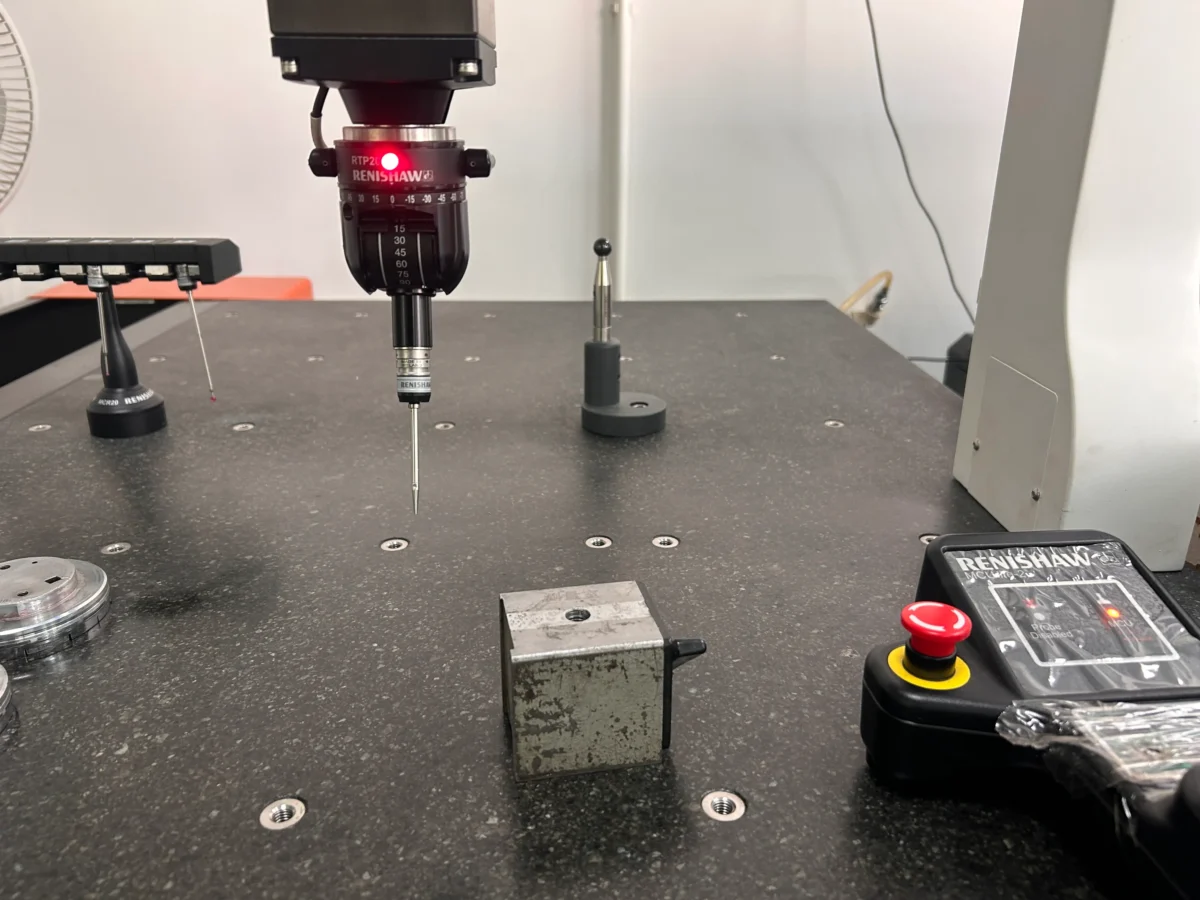
Maintaining dimensional stability in molded parts is critical for assemblies requiring precise fit and consistent long-term performance. ABS excels in this area because it exhibits minimal creep, low deformation under load, and reliable stability across a moderate temperature range.
Its low moisture absorption ensures that parts remain dimensionally accurate throughout their lifespan, which is especially important for snap-fit components, mechanical joints, and housing assemblies. When molded correctly with balanced cooling and proper gating, ABS produces parts with predictable shrinkage and excellent reproducibility, supporting complex assemblies in electronics and automotive applications.
Shrinkage and Warpage Issues in ABS
Despite its stability, ABS is not immune to shrinkage and warpage issues. These typically arise from uneven wall thickness, improper temperature control, incorrect gate placement, or rapid cooling. While ABS generally shrinks between 0.4% and 0.7%, variations in shape or cooling rate can lead to bending or dimensional distortion.
Effective mold design, including uniform wall thickness, strategic rib placement, balanced runner systems, and optimized cooling channels, helps minimize internal stresses that cause warpage. Understanding ABS shrink behavior allows engineers to compensate during tooling design and achieve accurate, repeatable results.
Finishing and Painting ABS Parts
One of ABS’s greatest advantages is its ease of finishing. Finishing and painting ABS parts is straightforward because the material accepts coatings, adhesives, and surface treatments more effectively than many other thermoplastics. Its low surface energy and smooth finish make it ideal for painting, chrome plating, texturing, sanding, and dyeing.
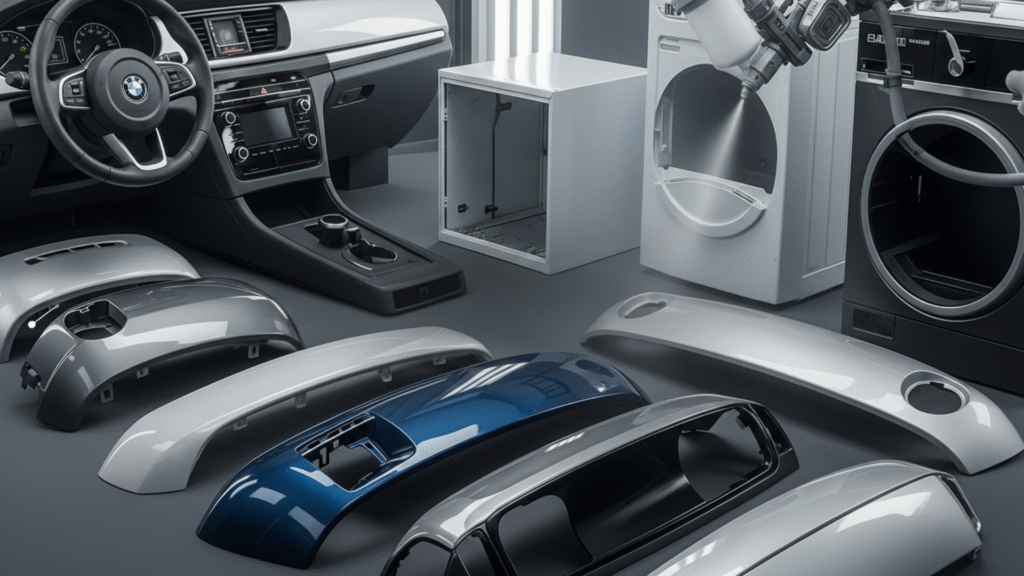
Manufacturers can achieve high-gloss, matte, textured, or metallic effects with minimal preparation. In automotive interiors, electronics shells, and appliance trims, this finish flexibility allows ABS to deliver both aesthetic appeal and structural performance. From colored housings to premium decorative trims, ABS supports endless customization options.
Automotive and Electronics Uses
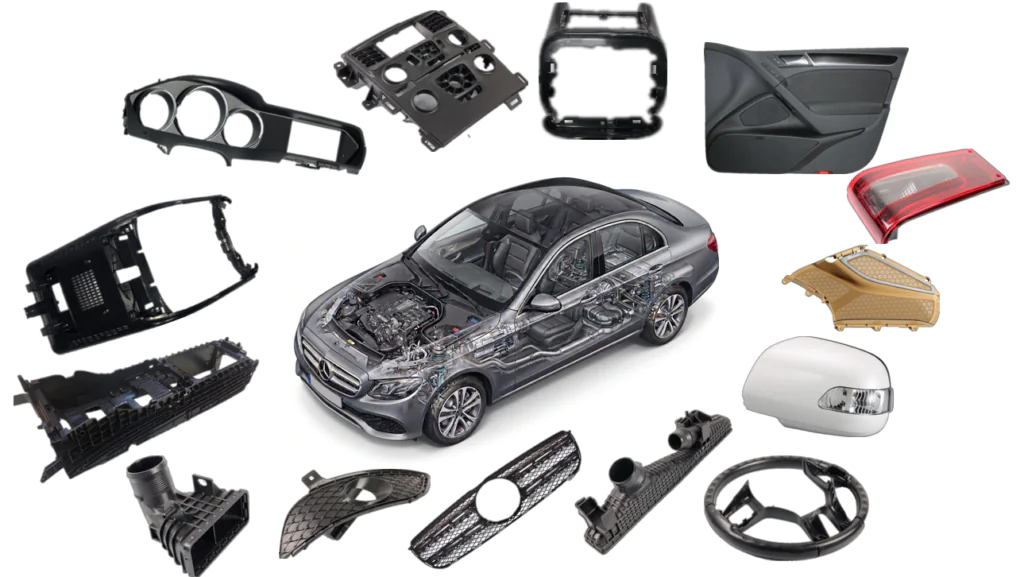
The versatility of ABS is best demonstrated in its automotive and electronics uses, where its balance of toughness and moldability provides distinct advantages. In vehicles, ABS is widely used for interior panels, HVAC bezels, dashboard components, pillar trims, switch housings, and structural clips. It resists temperature variation, mechanical wear, and chemical exposure from cleaning agents.
In electronics, ABS is a preferred material for device housings, chargers, remote controls, gaming systems, keyboards, printers, and consumer gadgets. Its insulating properties, attractive finish, and durability meet the safety and aesthetic requirements of modern electronic devices. ABS enables manufacturers to create lightweight yet rigid components that withstand daily use without degrading.
ABS vs Polycarbonate Comparison
A thorough ABS vs polycarbonate comparison highlights the differences between two of the most popular engineering plastics. ABS is more cost-effective, easier to mold, and provides excellent surface finishing, while polycarbonate (PC) offers significantly higher impact strength, greater heat resistance, and transparency. ABS is preferred for consumer parts requiring rigidity and cosmetic quality, whereas PC is ideal for safety equipment, optical applications, and high-temperature environments.
Blends such as PC/ABS combine the strengths of both materials, offering improved toughness over pure ABS while retaining good moldability. Understanding these differences helps engineers select the right material for performance, cost, and visual requirements.
Regrind and Recycling of ABS
Sustainability continues to influence material choices, and the regrind and recycling of ABS plastic injection molding support cost savings and environmental goals. ABS maintains stable melt flow and mechanical performance even after multiple regrind cycles, making it suitable for closed-loop recycling programs. Manufacturers often incorporate 10%–30% regrind into production without compromising quality.
Recycled ABS is commonly used for interior components, mechanical parts, consumer goods, and non-structural housings. Proper filtration, material separation, and drying ensure recycled ABS retains its performance characteristics. As sustainability standards increase, the recyclability of ABS becomes even more valuable to manufacturers.
ABS Properties
The flowability, strength, and thermal properties of ABS make it suitable for intricate mold designs and detailed part geometries. Its predictable shrink rate, low internal stress, and balanced stiffness allow engineers to produce complex components with tight tolerances. ABS works exceptionally well in parts that require snap fits, hinge mechanisms, or integrated assembly features. The material’s forgiving processing window means fewer molding defects, reducing cycle time and improving overall manufacturing efficiency.
Conclusion:
ABS continues to be one of the most dependable and versatile materials for injection molding due to its strong mechanical performance, chemical resistance, surface finish quality, and ease of processing. The combination of ABS properties and composition, stable heat resistance and rigidity, and compatibility with numerous finishing options makes ABS ideal for structural and cosmetic applications across many industries.
Manufacturers value its low cost, dimensional stability, energy-efficient molding behavior, and consistency in high-volume production. Whether for automotive interiors, electronic housings, appliance components, or consumer products, ABS plastic injection molding offers a balanced, reliable, and cost-effective solution. As sustainability improves and recycling technologies advance, ABS will continue to play a central role in modern injection molding and product development.