
Understanding injection mold cost is essential for manufacturers, engineers, procurement teams, and product designers planning to bring a plastic part into mass production. While injection molding is one of the most efficient and scalable manufacturing methods, the upfront tooling investment varies widely depending on design, materials, complexity, precision, and production goals. A simple prototype mold may cost a few thousand dollars, while a high-cavitation steel production mold can cost tens or even hundreds of thousands.
To make smart decisions, businesses must understand every element that affects mold pricing, from mold design complexity and tooling material cost (steel vs aluminum) to labor and machining cost factors, maintenance and mold life, lead time and delivery cost, and long-term ROI of injection molding. This breakdown explains each factor clearly so you can evaluate cost drivers and optimize your tooling investment.
How Mold Design Complexity Impacts Total Cost?
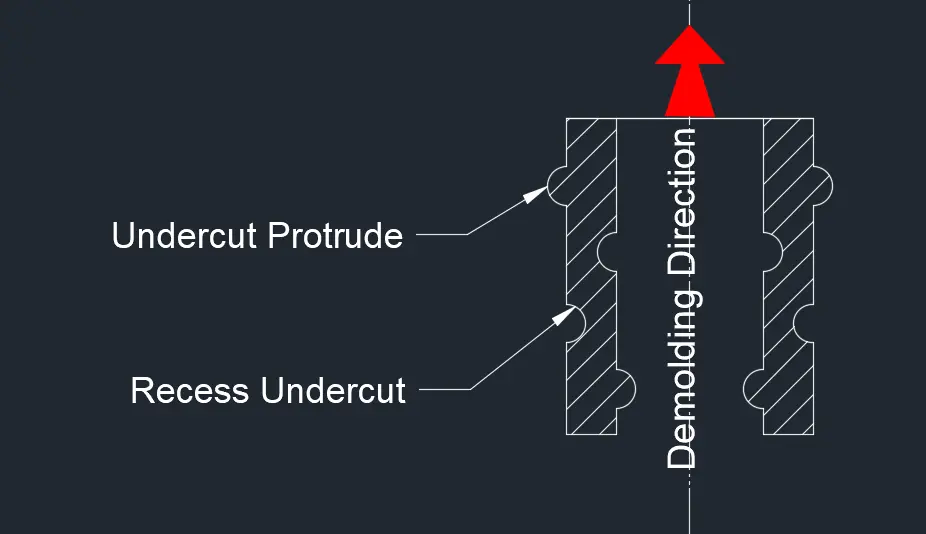
Mold design is the largest driver of injection mold cost. A mold is not just a block of metal; it is a precision-engineered system consisting of a mold base, cavity inserts, cooling channels, hot or cold runners, ejector pins, parting line surfaces, vents, and often side actions. Parts with complex geometries, thin walls, undercuts, threads, deep ribs, or multi-material requirements increase mold complexity and machining time. Components such as sliders, lifters, unscrewing mechanisms, collapsible cores, and precision inserts add both engineering and machining costs.
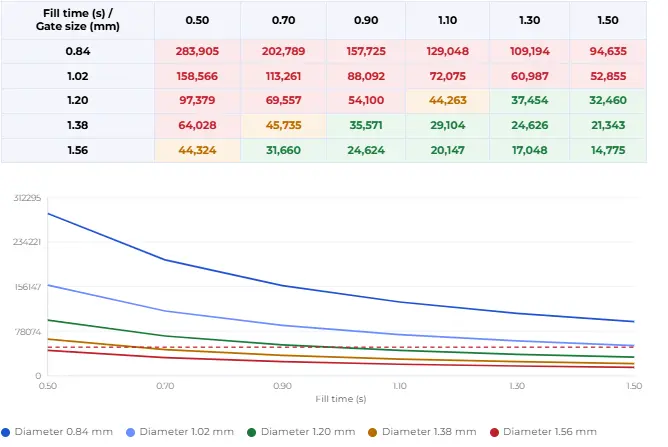
Even small design decisions, like uneven wall thickness or tight tolerances, can increase the number of CNC passes, EDM machining, polishing steps, and mold fitting needed. Using Moldflow analysis in the early stage helps optimize the design, reducing costly revisions and shortening lead time. In general, the more complex your part, the higher the initial tooling investment.
Steel vs Aluminum:
One of the clearest contributors to injection mold cost is the type of tooling material chosen.
Aluminum Molds (7075, QC-10)
Aluminum molds are ideal for low-volume or prototype applications. They offer:
- Lower material cost
- Faster machining
- Shorter lead time
- Excellent for early design validation
However, aluminum molds have a shorter lifespan, typically 5,000 to 20,000 cycles, and are not ideal for abrasive resins or high-temperature polymers.
“For companies looking to minimize upfront investment, prototype injection molding is a cost-effective way to validate your design before cutting production steel.”
Steel Molds (P20, H13, S7)
Steel molds remain the industry standard for long-run production because they offer:
- Exceptional durability
- Mold life of 500,000 to 1,000,000+ cycles
- Better heat handling
- Compatibility with engineering resins and glass-filled materials
But steel molds have a higher upfront cost due to longer machining time, heat treatment, higher hardness, and extended polishing requirements. Selecting the right tooling material depends on volumes, part durability requirements, and long-term production goals.
Cavitation, Part Size, and Their Effect on Pricing
The number of cavities directly affects injection mold cost, unit economics, and output efficiency.
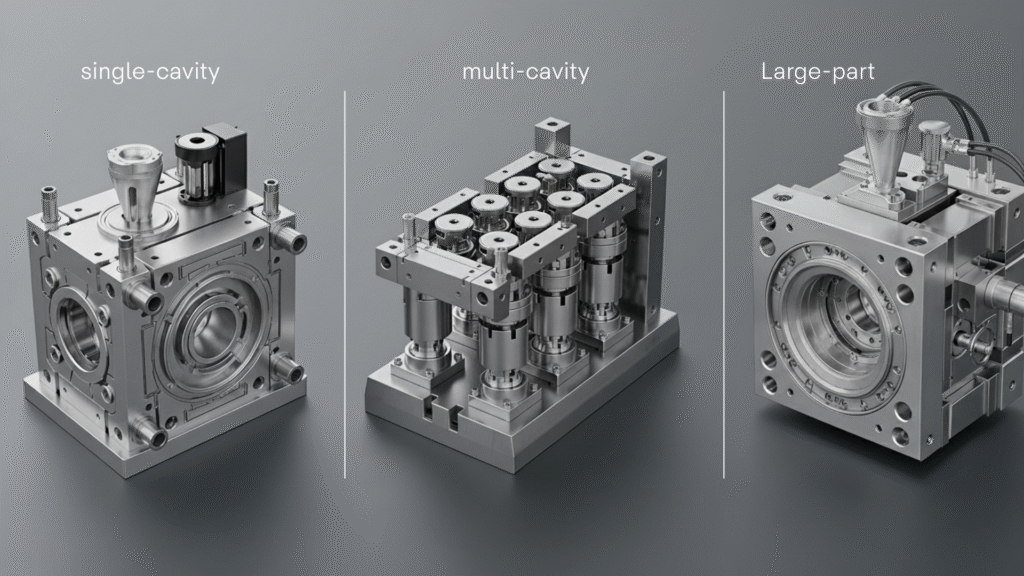
Single-Cavity Molds
These are cheaper to manufacture but produce only one part per cycle. They are best suited for prototypes or low-volume orders.
Multi-Cavity and Family Molds
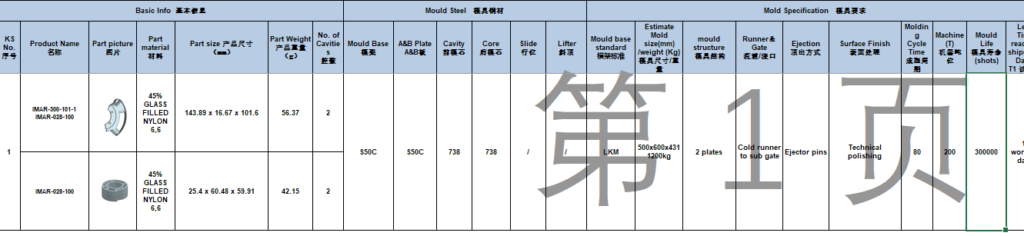
For high-volume production, multi-cavity molds drastically reduce the cost per part. However, they significantly increase mold steel volume, machining hours, mold balancing complexity, and cooling channel engineering.
Large Part Molding
Bigger parts require larger mold bases, more material, deeper cavities, and more robust cooling channels, all contributing to higher cost. Complexities in parting lines, tall cores, deep ribs, and heavy sections increase tooling demands and machining tolerances.
Production Volume and Its Influence on Total Investment
Production goals strongly influence your tooling investment.
Low-Volume Production
- Lower investment
- Aluminum molds or soft-steel molds
- Limited cavitation
- Suitable for early market testing
Mid- to High-Volume Production
- Hardened steel molds
- Multiple cavities
- Optimized cooling channels
- Hot runner systems for efficiency
Larger production volumes spread tooling cost across more units, drastically reducing per-part cost. For example, a mold costing $40,000 may seem expensive initially, but with 1 million units produced, the tooling cost per part becomes only $0.04.
Prototype vs Production Molds: Why Pricing Differs
Prototype molds are designed to validate part geometry, test resin selection, and run small batches. They typically use aluminum or softer steel and are built with simplified cooling channels and fewer ejector components. They are much cheaper but may require replacement if production volumes scale.
Production molds, however, must withstand millions of cycles. They require hardened steel, advanced cooling systems, optimized gating, precision machining, and extensive mold testing. While more expensive, they offer significantly lower per-part manufacturing costs and minimize maintenance interruptions.

Maintenance Requirements and Mold Life Expectancy
A mold’s lifespan directly affects total ROI. Proper maintenance prevents premature wear, reduces scrap, and avoids expensive downtime. Key maintenance tasks include:
- Cleaning ejector pins
- Removing resin residue
- Lubricating moving components
- Polishing and resurfacing cavity areas
- Descaling cooling channels
- Replacing worn inserts
Molds processing abrasive materials (like glass-filled nylon or PC blends) experience more wear and may require harder steels. With proper maintenance, a high-quality steel mold can last more than 1 million cycles, improving long-term profitability.
Labor, Machining, and Overhead Costs
Machining is one of the most significant contributors to injection mold cost. High-precision molds require specialized CNC machining, EDM operations, surface grinding, bench work, and polishing.
Costs depend on:
- CNC programming hours
- Number of EDM passes
- Tolerance requirements
- Surface finish levels
- Hot runner vs cold runner configuration
- Mold assembly and fitting
Labor costs also vary by region; tooling from the US and Europe is often more expensive than molds produced in China, Vietnam, India, or Mexico. However, low-cost regions may require more rounds of revisions or quality checks, affecting total lead time and delivery reliability.
Lead Time, Shipping, and Delivery Cost Considerations
Lead time depends on mold size, part complexity, machining queue, and engineering workload. Typical estimates:
- Aluminum prototype mold: 2–4 weeks
- Standard steel mold: 6–10 weeks
- Complex high-cavitation mold: 12–20 weeks
Expedited delivery or additional sampling rounds (T1, T2, T3) can add cost. If molds are produced overseas, shipping, customs clearance, import taxes, and insurance also influence total project pricing.
How to Reduce Mold Cost Without Compromising Quality?
Cost optimization doesn’t mean sacrificing product performance. Proper design and planning significantly reduce total tooling investment. Strategies include:
- Removing unnecessary undercuts
- Standardizing wall thickness
- Using simpler parting lines
- Reducing excessive cosmetic features
- Choosing cold runners for low volume
- Avoiding tight tolerances unless necessary
- Selecting lower-cost or hybrid tooling materials
- Consolidating parts into fewer molds
- Optimizing cycle time to reduce long-term cost
Early DFM reviews and moldflow analysis help prevent redesigns and eliminate avoidable tooling complications.
Why Injection Molding Remains Cost-Effective?
Although the upfront injection mold cost can be high, the long-term economics are unbeatable for mid- to high-volume manufacturing. Benefits include:
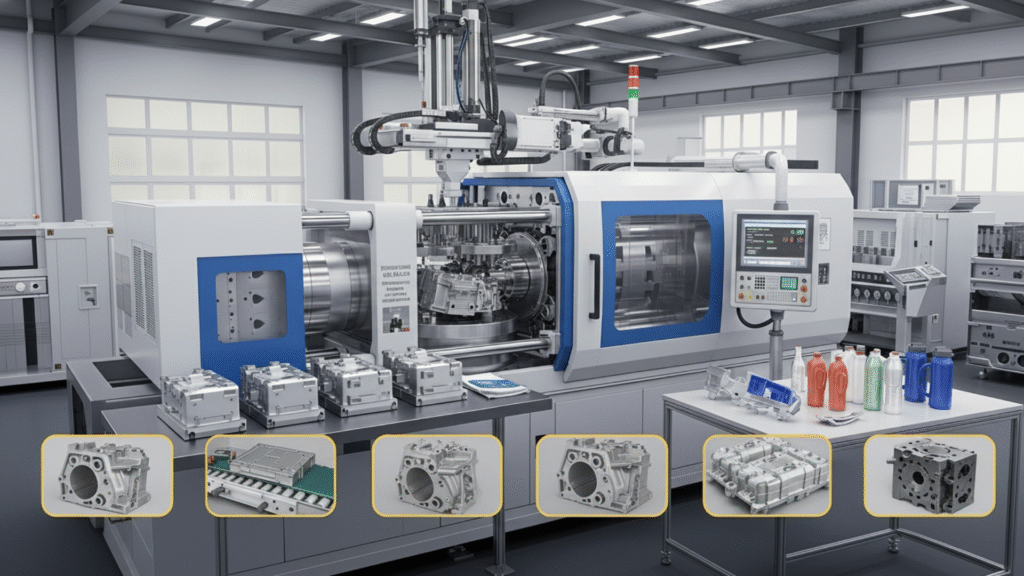
Extremely low cost per part at scale, High repeatability and low scrap rate, Automated manufacturing reduces labor costs, Long mold lives,preading investment over millions of units, and Fast production cycle times (seconds, not hours). For consumer products, automotive parts, electronics housings, packaging, and medical components, injection molding provides unmatched cost efficiency and scalability.
Conclusion:
The true injection mold cost depends on dozens of variables, including design complexity, mold material, cavity count, production volume, machining hours, maintenance requirements, and delivery timing. Understanding these drivers empowers manufacturers to budget accurately, avoid unnecessary costs, and select the right mold type for their needs.
By optimizing design early, choosing appropriate materials, leveraging moldflow analysis, and planning for long-term production, companies can maximize ROI and ensure a stable, high-quality manufacturing pipeline. Injection molding remains one of the most cost-effective, durable, and scalable production methods in the world, and choosing the right mold is the foundation of every successful product launch.